In brief
An early‑morning tremor shook the island of Flores, registering a 7.7 magnitude on the Richter scale. Five people died, with emergency crews combing through rubble and following up on dozens of aftershocks, including a 6.1‑magnitude shock. A tsunami warning was issued but later lifted, and the National Disaster Mitigation Agency urged residents to avoid damaged buildings and coastal areas. Early assessments are underway, with the focus now on rescuing survivors and evaluating structural damage. The event highlights Indonesia’s vulnerability to frequent seismic activity.
Indonesia’s East Nusa Tenggara province was shaken early Saturday morning when a 7.7‑magnitude earthquake struck the island of Flores. The provincial governor, Emanuel Melkiades Laka Lena, confirmed that at least five people lost their lives during the quake, many while asleep as rubble collapsed on them.
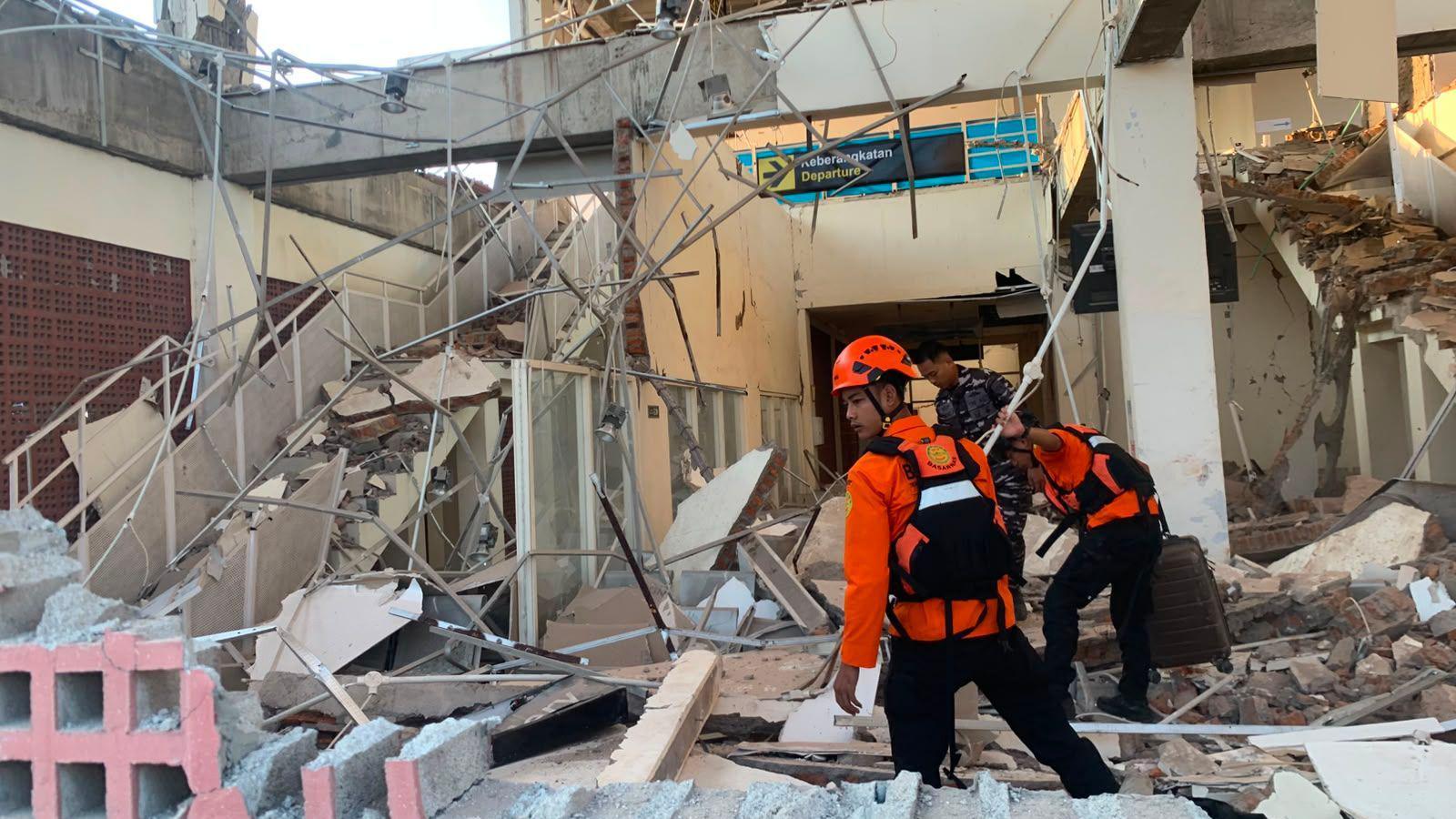
The quake had a depth of 15 km and was followed by dozens of aftershocks. Search and rescue teams combed through collapsed buildings while authorities kept the public informed of the situation. A tsunami warning was issued at the time of the shaking but was lifted about three hours later.
Strong aftershocks were felt across the same area, including a magnitude‑6.1 shock. Video footage captured at the Maumere port showed large concrete blocks breaking off the terminal and falling onto passengers waiting to board a ferry, some of whom were swept into the sea when the gangway collapsed.
Residents were urged to flee inland by motorbikes after the tsunami warning. However, the exact extent of damage remains unclear due to the remote and mountainous terrain of the region. The National Disaster Mitigation Agency (BNPB) is conducting a rapid assessment to determine casualties and damage, and advised people to remain calm, avoid damaged buildings and stay away from coastal zones.
About 2,000 residents in Nagekeo were evacuated and multiple buildings suffered damage. Local villagers, such as Arnold Welianto of Talibura village, reported being abruptly awoken by the seismic shaking, which prompted them to flee their homes, as water receded and panic spread among the community.
The events underscore the ongoing risk of seismic activity in Indonesia and highlight the importance of preparedness and rapid response in areas prone to earthquakes and tsunamis. Scientists and local authorities continue to monitor aftershocks while the rescue operation moves forward.