In brief
In Batam, Indonesia, a wave of protests erupted as residents complain that the burgeoning data‑centre industry is depleting the island’s scarce water resources. The angry crowds gathered at the Nongsa Digital Park, demanding that water supplies be restored and that new data centres use local desalination plants. While the government cites a long dry spell, locals say the situation is worsened by the massive cooling needs of these megastructures. Experts warn that data‑centres can consume as much water as thousands of households, putting the island’s fragile security even more at risk.
A throng of around three hundred residents stormed the compound of the Nongsa Digital Park last weekend, armed with plastic bottles, jerry cans and their frustration. Their shouts of "Water! Water!" reverberated as they pressed on the property that houses several state‑of‑the‑art data centres. The protesters claim that the taps at home have run dry for the past three months, while the giants of cooling keep their machines busy with ample water supply.
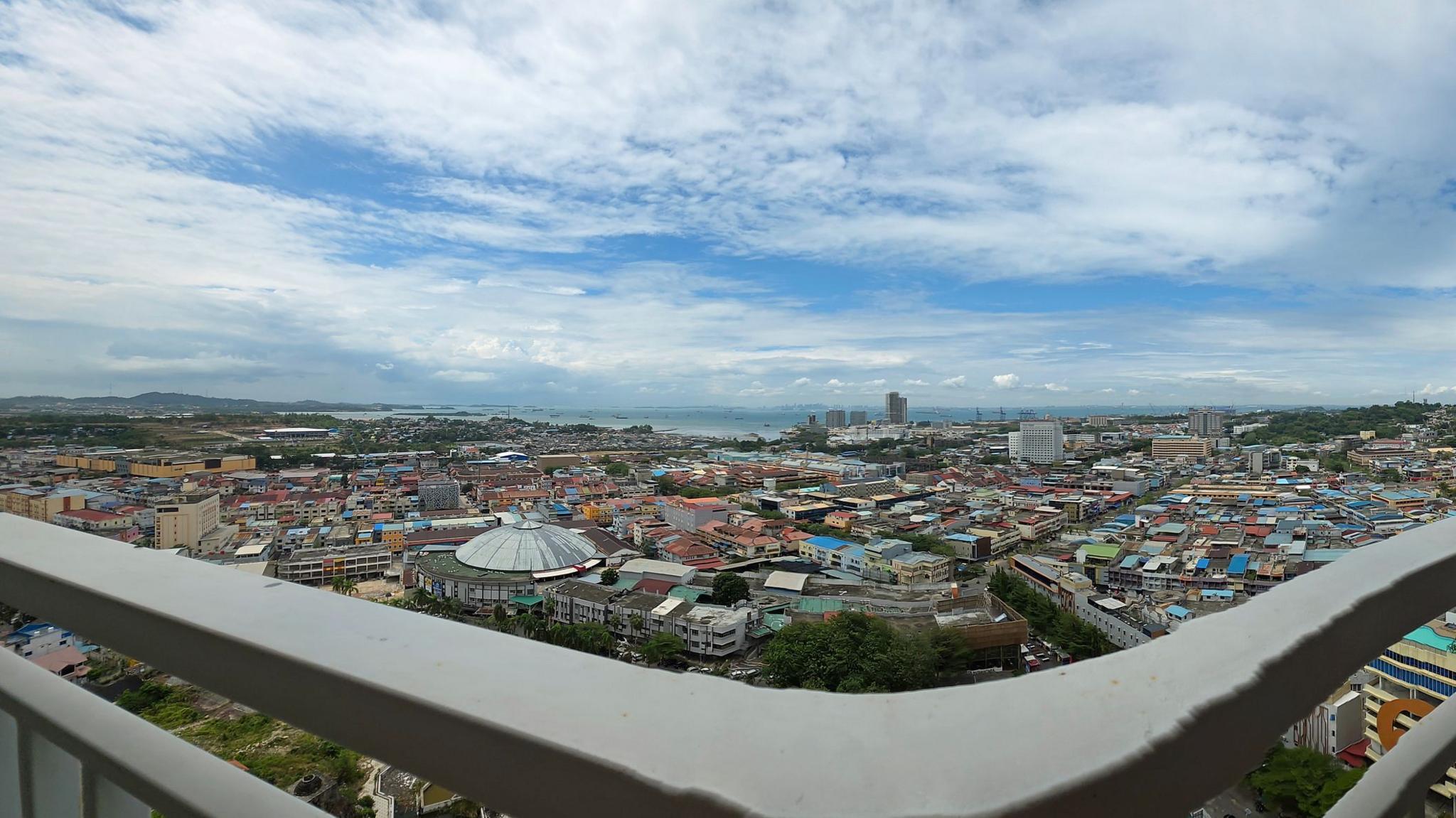
One of the vocal critics, Dewi Susanti of Bakau Serip, told the BBC that their village now relies on tanker trucks to deliver "dirty, cloudy and smelly" water. “No single drop has passed my household tap since the data centres opened,” she said, pointing to the cityscape where the islands reservoirs start to evaporate under the strain of the extra demand.
While Batam’s water utility assured the BBC that steps to improve the water system are underway, officials have not confirmed a direct link between the data‑centre usage and the alleged shortages. BP Batam – the institute that oversees trade and industry – instead blamed the persistent drought and denied that the free water distributed to homes is being diverted to the servers.
The island has already seen two data centres operational and a third in construction, with plans for up to ten in total. The projected power consumption is expected to soar to around 1,100MW by 2030, enough to supply nearly one million homes. Such volumes are likely to strain water usage, yet official figures on the exact consumption remain undisclosed.
Experts from the Norwegian University of Science and Technology warn that transparent data on water use in Indonesian data centres is scarce, as firms treat it as proprietary. “If the public remains in the dark while their taps devour dry, they will continue to push back, and rightly so,” Agus Hasan said. Residents from different districts, including Sei Beduk, have called for more attention to ordinary people’s water needs before billions of dollars of investment flood the region.
The new crisis is part of a worldwide backlash against the rapid expansion of data centres, sparked by the boom of artificial intelligence. The built‑up infrastructure requires enormous amounts of water for cooling, and each new facility can consume as much water as a thousand or more households daily. In Batam , a place that relies mostly on rain‑water reservoirs, the added pressure threatens its fragile water security amid an historic El Niño‑driven drought. The community demands that the government enforce stricter limits on water usage and enforce accountability for these megascales of technology.