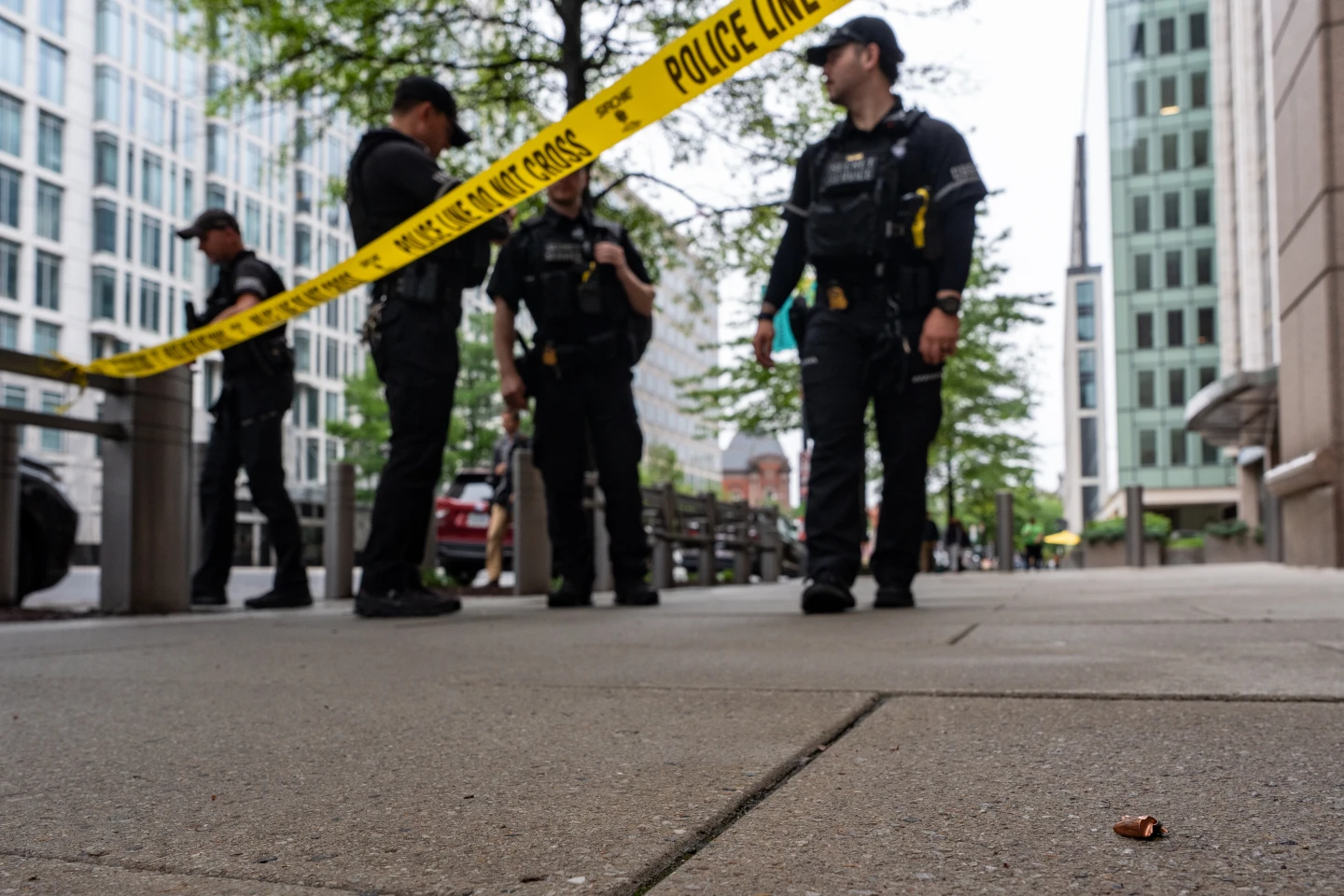
At least four individuals have lost their lives due to a series of coordinated bomb and gun assaults in southwestern Colombia, as reported by local media sources. Among the deceased are two police officers, who were caught in the crossfire during attacks in Cali, the country's third-largest metropolis, and in surrounding municipalities.
According to reports, these assaults involved car bombs, motorcycle explosives, rifle fire, and potentially a drone, as stated by the Ministry of Defence, which confirmed that 19 distinct attacks had occurred. Local media suggest that some of these assaults may be linked to a faction of the Revolutionary Armed Forces of Colombia (FARC), although the BBC has not independently confirmed these claims.
The attacks targeted police stations, municipal facilities, and civilian populations, drawing attention to an intensifying security crisis in Colombia. While the exact number of casualties is still under evaluation, numerous injuries have been reported.
The Colombian Ministry of Defence highlighted that the assaults predominantly took place in the Cauca region, with 12 incidents, and seven in Valle del Cauca. The ministry characterized the violence as a "desperate response from illegal armed groups" to ongoing military and police operations that have severely impacted their illicit networks and economies.
Reflecting on the severity of the situation, Cali's mayor remarked that the city feels as though it has reverted to the violent era of 1989, plagued by drug trafficking and cartel-related conflict. This wave of violence follows a recent incident where presidential candidate Miguel Uribe Turbay was the target of an assassination attempt in Bogotá, during an event with supporters. A 15-year-old suspect was apprehended at the scene and, according to the Attorney General's office, has denied the charges of attempted murder and illegal firearm possession. A judge has ruled for the teenager's detention as the investigation continues.