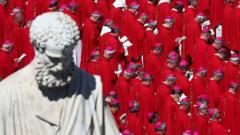
Just several days remain until the sacred conclave, where 133 Catholic cardinals will convene in the Vatican's Sistine Chapel for the momentous task of electing a new pope to succeed Pope Francis. This election stands out as one of the most clandestine globally, characterized by stringent oaths and exhaustive measures to ensure absolute confidentiality.
Every cardinal present will pledge an oath on the gospels, committing themselves to lifelong secrecy about the proceedings. This vow extends to all individuals within the Vatican's walls during the conclave, including medical professionals and support staff, who must also adhere to the vow of "absolute and perpetual secrecy." To mitigate any risk of espionage, the chapel and nearby accommodations will undergo thorough sweeps for electronic devices, while signal-blocking jammers are set up to prevent any unauthorized communications or intrusions.
"Total lockdown" not only protects the integrity of the election process but also serves to shield it from outside influences that could undermine the solemnity of such a pivotal decision. During the conclave, participants will relinquish all electronic devices, from mobile phones to smartwatches, to uphold the sanctity of their discussions. The Vatican police will enforce these regulations strictly.
Monsignor Paolo de Nicolo, a former head of the Papal household, confirmed there will be minimal amenities available during this time, stating, "No televisions, newspapers, or radios are allowed in the guesthouse." The only means of communication permitted will be through walkie-talkies for emergencies, such as medical needs or notifying the Basilica bell-ringers once a new pope is selected.
In contrast, prior to the conclave, the atmosphere is abuzz with speculation and excitement, with Italian press and eager onlookers engaging in “cardinal-hunting”—tracking the movements of cardinals throughout the city and attempting to glean insights into who might succeed Pope Francis. Headlines parade across media outlets, including humorous accounts of cardinals enjoying meals before their confinement.
On the other hand, nearly 250 cardinals have descended upon the city, though only those under the age of 80 will cast votes. As members of the clergy maneuver through their daily conferences, they are frequently approached for comments but often refrain from revealing any substantive information.
The selection of a new pope is not merely a religious decision; it carries substantial implications for moral authority and political influence globally. Though the Holy Spirit is believed to guide these discussions, the weight of the decision cannot be overstated. The array of vested interests and media scrutiny surrounding the election indicates that many outside actors are actively attempting to engage with the cardinals, highlighting the complexity of modern papal elections.
Despite these external pressures, cardinals are expected to maintain focus and prioritize personal preferences throughout their deliberations. While the media may attempt to influence the narrative surrounding potential candidates, voices of unity echo prominently among the participants, emphasizing their collective commitment to a shared vision for the Church.
As the conclave begins, all eyes will be on the sanctuary of the Vatican to witness this historic juncture, with the outcomes likely to resonate well beyond the cloistered discussions of cardinals.