In brief
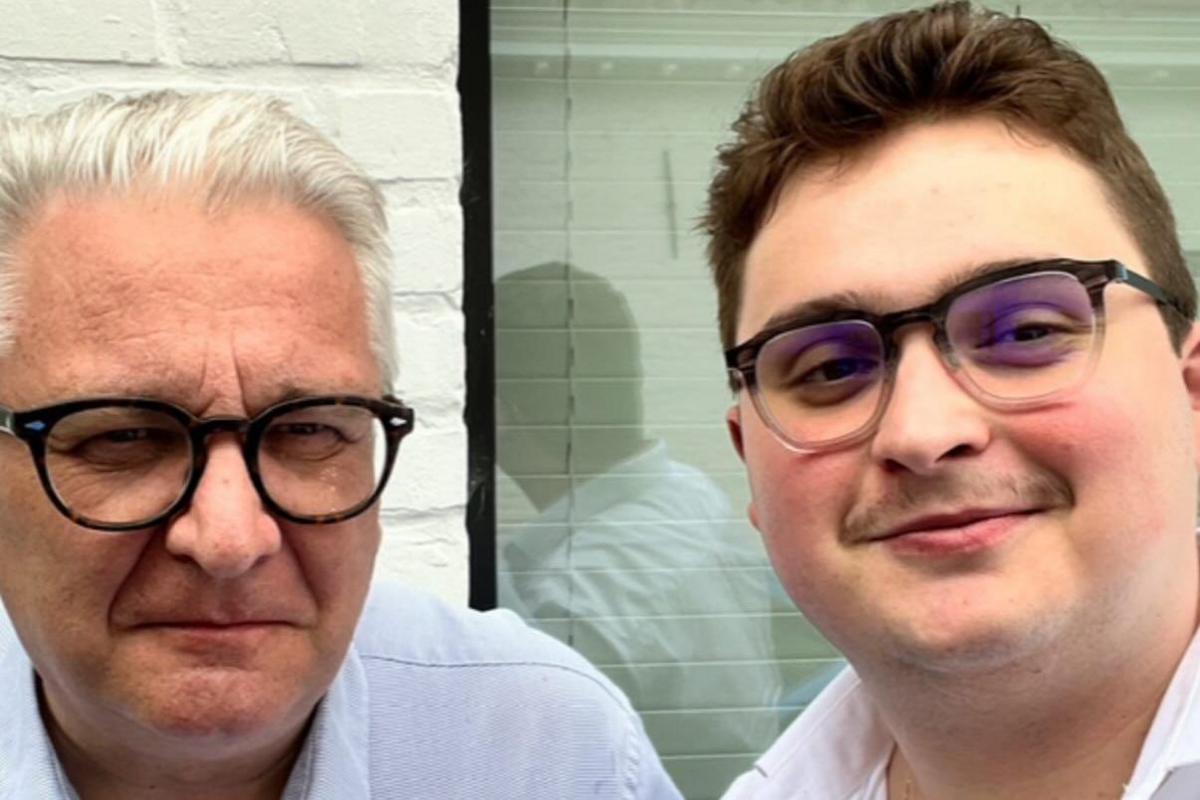
A 26‑year‑old Belgian car salesman, Clément Vandenkerckhove, has been formally recognized as the son of Prince Laurent, bringing a surprising twist to the Belgian Royal family. The revelation followed a DNA test confirming a 99.5% match, an event that echoes past paternity scandals involving former King Albert II. Though he now holds the title of prince, he will receive no royal allowance and will not enter the line of succession or partake in official duties. Vandenkerckhove, who had previously spoken about his discovery in a Flemish documentary, expressed pride in his birth name and his mother’s role in his life.
In a modest ceremony held six months ago, Belgium’s Prince Laurent officially acknowledged 26‑year‑old former car salesperson Clément Vandenkerckhove as his son, thereby granting him the rank of prince. The confirmation followed a DNA test that revealed a striking 99.5% genetic match, echoing earlier paternity controversies involving former King Albert II.
The young Vandenkerckhove, whose mother is Belgian singer Wendy Van Wanten (real name Iris Vandenkerckhove), had long been in the public eye when a VTM documentary last September explored how he came to learn about his half‑brothers and sister in the royal family. In the film he recounted meeting Prince Laurent at a shopping centre in 2013, later discovering the king’s identity when he was 16.
Following several phone calls, the two met face‑to‑face and subsequently arranged a DNA test. The laboratory’s email confirming the high‑rate match led Prince Laurent to formally recognise Vandenkerckhove as his son.
Although Vandenkerckhove will now carry the princely title, he will not receive a public allowance and is excluded from Belgium’s line of succession. He will also not be involved in official royal duties. “I am proud of the name Vandenkerckhove,” the new prince said to Het Nieuwsblad, adding that embracing his royal surname would feel like a betrayal to his mother’s legacy.
The story adds a fresh chapter to Belgium’s often-multifaceted royal saga. Earlier cases, such as the 2020 recognition of former king’s illegitimate child and the 2013 allowance reforms, demonstrate the monarchy’s evolving relationship with the public and its own complex family ties.