In brief
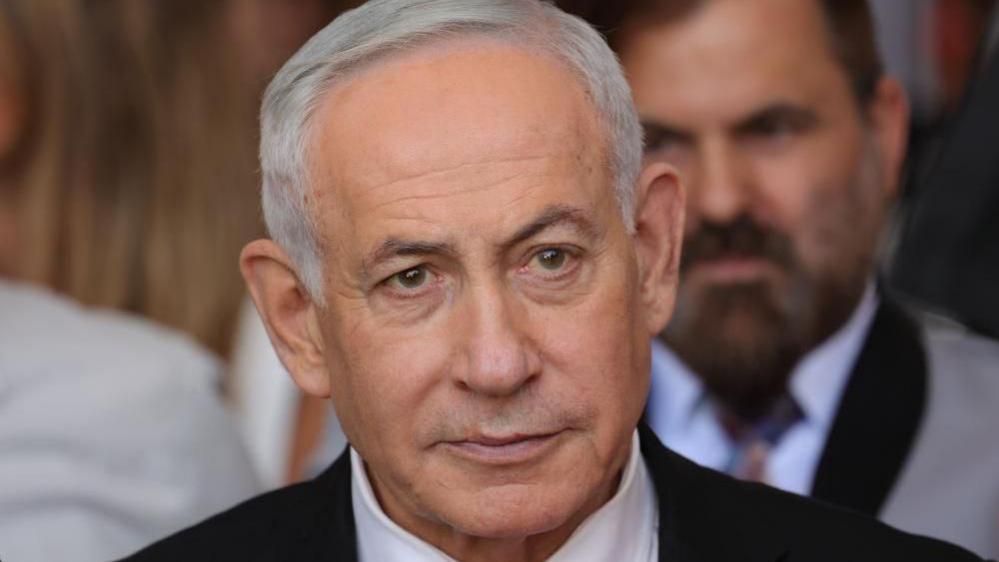
Israeli Prime Minister Benjamin Netanyahu formally rejected Donald Trump’s 15‑point Gaza disarmament plan, a move that the White House considers merely political theatre. Washington said it was “not bothered” and that Israel’s decision might be a campaign signal rather than a policy shift. The U.S. roadmap, which signals a phased withdrawal backed by an International Stabilization Force and a new Palestinian police presence, has faced pushback from Israeli right‑wing leaders and opposition figures. With a general election looming in October, Netanyahu’s stance will influence both domestic politics and the broader peace‑building agenda. Meanwhile, discussions with U.S. negotiators continue, and Israel remains sceptical about Hamas compliance and the feasibility of the plan.
Israel’s longest‑serving prime minister, Benjamin Netanyahu, officially dismissed President Trump’s U.S. “15‑point Gaza roadmap” as a political tool ahead of Israel’s scheduled October election. The Washington Post explained that the White House considered the comment a campaign statement rather than a substance‑changing policy claim.
Senior U.S. officials said the U.S. was “not bothered” by the rejection and would continue to push for the plan’s implementation in the interest of regional security. The plan, drafted by the Board of Peace, calls for the complete disarmament of Hamas, phased withdrawal of Israeli troops, and the deployment of an International Stabilization Force, including a new Palestinian police force to secure Gaza.
The Israeli side, however, has raised genuine doubts. Right‑wing member Itamar Ben‑Gvir posted on X that the document was “unacceptable” and that Israel would only retreat when every weapon was removed. Politicians across the spectrum question whether the technology for verified disarmament exists and whether the sequence of the plan is realistic.
Netanyahu’s cabinet meeting ended with a statement that Israel would not withdraw from Gaza until “heavy and light weaponry” were truly decommissioned, stressing that the Prime Minister “knows how to stand firm” against what he defined as unacceptable ideas.
With the first Israeli election since the 7 October, 2023 assault approaching, the political stakes are high. Former U.S. diplomat Aaron David Miller has warned that Netanyahu faces the “most consequential election” of his career, as the public’s anger toward October‑7 almost guarantees a pro‑security leadership if Israel can deliver on its core promises.
The Board of Peace remains engaged, interviewing with Israeli officials and promising that the plan will move forward on a transaction‑based, verified basis. Meanwhile, Hamas officials reaffirm that they have committed to the roadmap's conditions, calling on U.S. and Israeli negotiators to uphold their parts of the agreement.
If political allies in Washington begin to press the U.S. for tangible steps, the road to a lasting ceasefire could either solidify or stall, with repercussions for all parties involved.