Controversial bishops ordained as Pope warns of 'schism' in Catholic Church
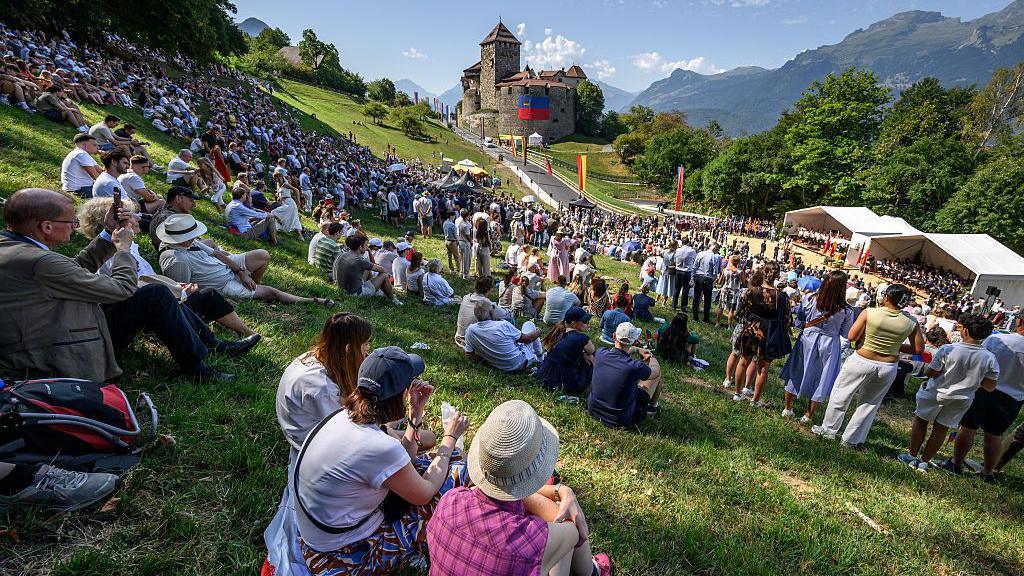
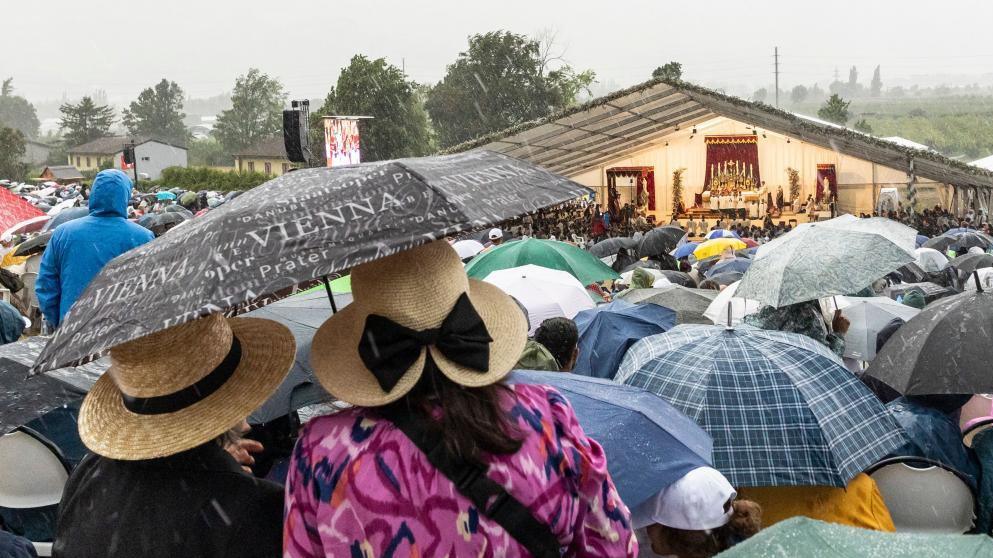
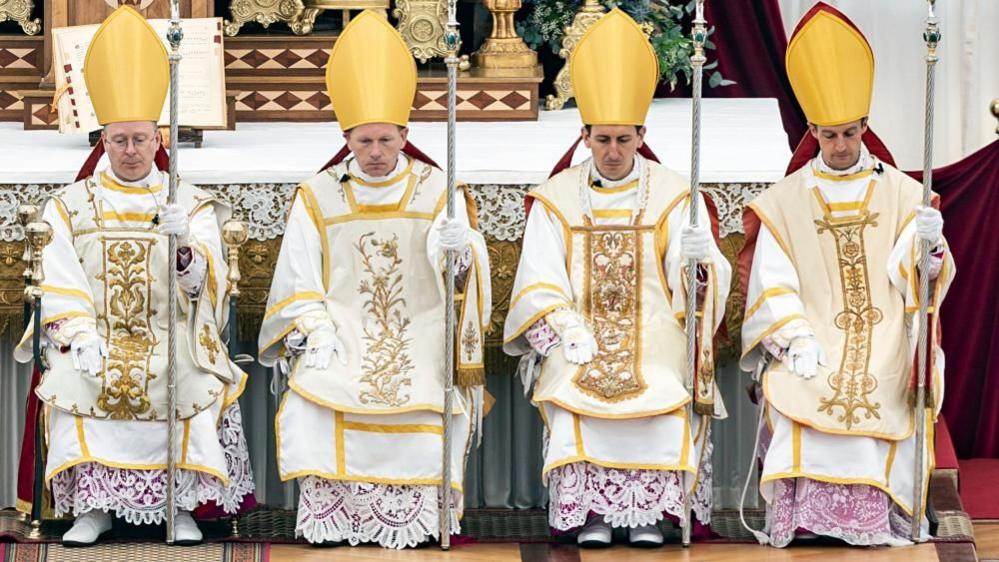
A crowd of around 15,000 gathered in the tiny Swiss village of Écône on 1 July to watch four priests from the Society of Saint Pius X (SSPX) receive episcopal consecration, defying a last‑minute appeal by Pope Leo XIV to stop the ceremony. The Pope called the ordination a schismatic act that could tear the ‘seamless garment’ of the Church.
The four bishops come from the United States, Switzerland and France and are all members of the controversial SSPX, an organization founded in 1970 by Archbishop Marcel Lefebvre that rejects key Vatican reforms such as vernacular Mass. The group insists on maintaining a medieval tone in worship, with clergy facing the altar rather than the congregation.
During the ceremony, the candidates prostrated themselves before an altar, took vows in Latin, and lifted the traditional choir loft of the cathedral. The choir’s organ played solemn music while the crowd supplied incense. Although Pope Leo vetoed the ordained bishops, he has not taken any direct action to remove them from the Church’s ledger.
SSPX’s superior general, Davide Pagliarani, defended the ordination as an act of love for the Church’s heritage, stating that they do not wish to see the Pope humbled by “false shepherds representing false religions.” Yet the act poses a challenge to the Pope’s attempts to heal a longstanding split, especially as the SSPX has an estimated 600,000 followers worldwide and has a presence in dozens of countries, including an enthusiastic German‑Kansas base in the United States.
While the SSPX has no statutory power to ordain bishops without pontifical approval, they moved forward in the belief that the papal apology for the Church’s role in slavery may have opened the door for a more conciliatory stance. The Berlin‑style cubicles housed the priests in a large tent that stretched over the village square, watched over by rituals that reaffirmed the group’s devotion to church tradition.
In the aftermath, the Vatican has reiterated its refusal to accept the new bishops, calling the ordination a serious violation of ecclesiastical unity. Pope Leo has left room for only limited future action to prevent the “schism” from worsening further. The event has left the Vatican and worldwide faithful watching closely, aware of how this defiance could reshape the faith’s global narrative for years to come.