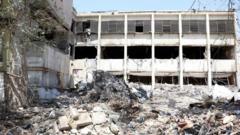
One month after Israeli airstrikes on Evin prison, reports indicate that former inmates are now enduring dire conditions in alternate facilities. Accounts from families reveal that despite assurances by authorities, the conditions in these new prisons are reportedly unbearable, with overcrowded cells, insufficient bedding, minimal sanitation, and incidents of insect infestations.
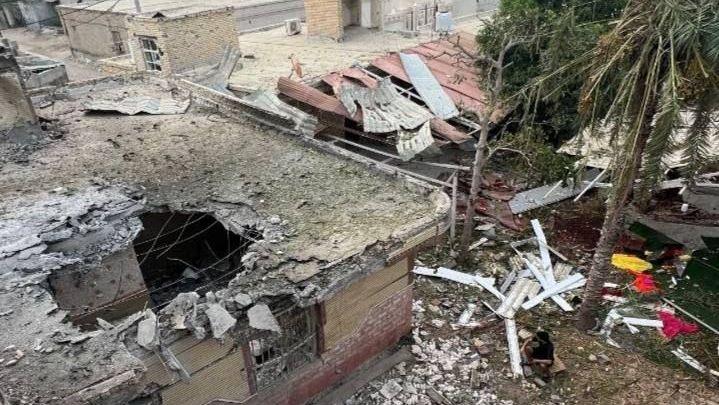
The airstrike on June 23 reportedly resulted in the deaths of 80 individuals, including prisoners and staff, as Israeli forces targeted the facility, deemed a center of oppression by the military, which claimed the attack was executed to limit civilian casualties. Nonetheless, Iranian officials condemned the assault, labeling it a "war crime."
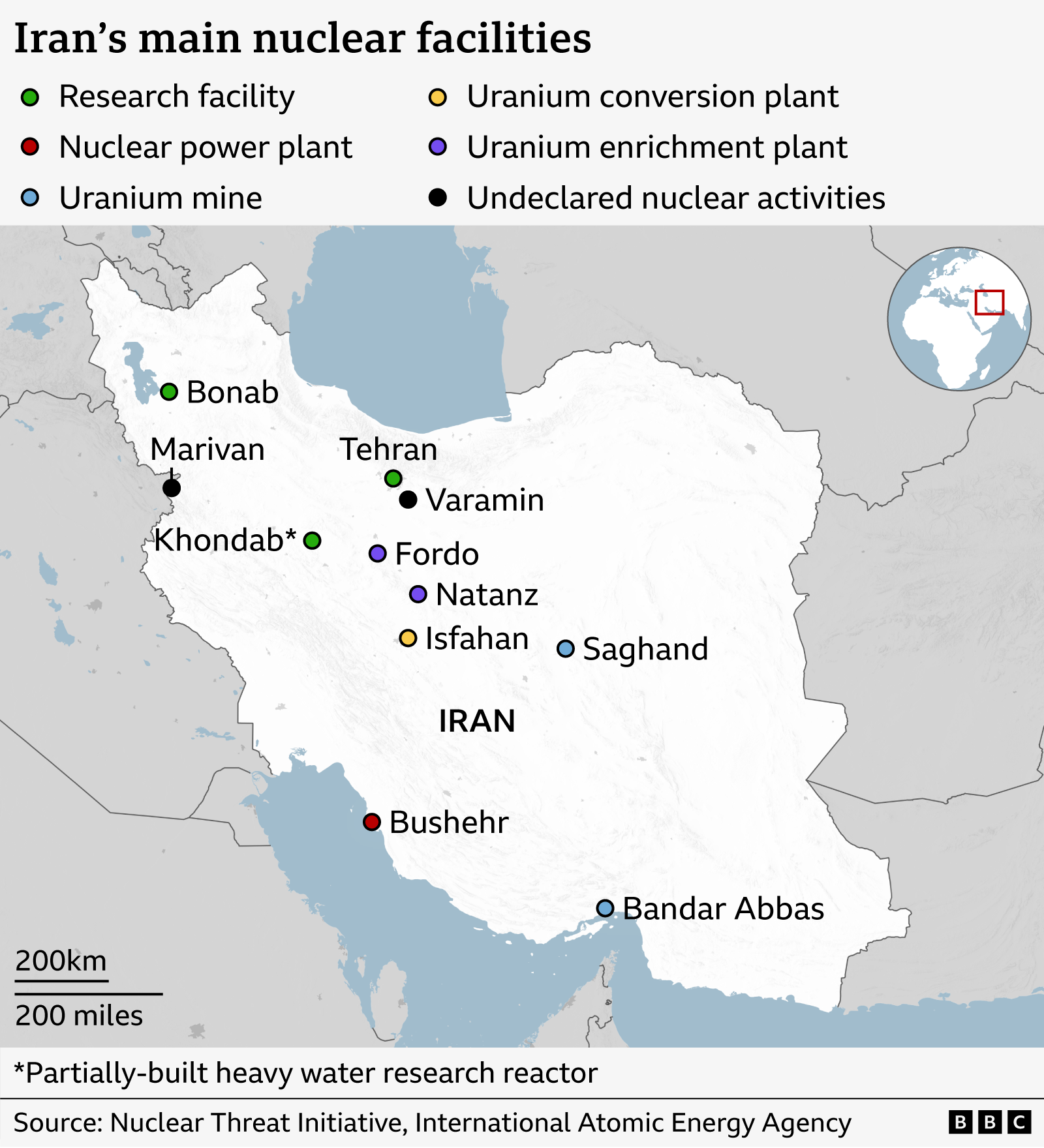
Since the attack, the Iranian government has moved thousands of detainees, prominent dissidents among them, to various prisons, including the Greater Tehran Central Penitentiary (Fashafouyeh) and Qarchak Prison, commonly known for their inhumane conditions. Families of significant political detainees have shared that Fashafouyeh, located in a remote desert area, lacks basic amenities such as air conditioning and proper hygiene, compelling many prisoners to sleep on floors within overcrowded quarters.
Prisoners have reported the harrowing experience of being mixed in with those convicted of violent offenses, a tactic criticized by rights groups as an attempt to intimidate political prisoners. Activists have documented complaints of living conditions, including the presence of pests and lack of sanitary facilities, alleging that these violate international standards of prisoner treatment.
Reports suggest that women, including elderly Baha'i detainees like Fariba Kamalabadi, also transferred from Evin, are facing egregious living arrangements in Qarchak, where interactions with family are severely restricted. Kamalabadi’s daughter highlighted the cramped conditions where prisoners must eat in shifts due to a lack of space.
In addition to the challenges faced by prisoners, the airstrikes have caused civilian casualties, including the death of a mother who was nearby the prison complex during the attack. Her family emphasized the toll of such conflicts on innocent lives, expressing that both parties bear responsibility for the conflict's repercussions on civilians.
The Iranian government has not publicly addressed the dire reports regarding the treatment of those impacted by the Evin prison attack. As conditions remain grave, advocacy groups continue to call for international scrutiny and intervention to address human rights violations within Iran's prison system.