The Houthis’ Lightning Advance in Yemen May Bring Dangerous New Dimension to Iran War
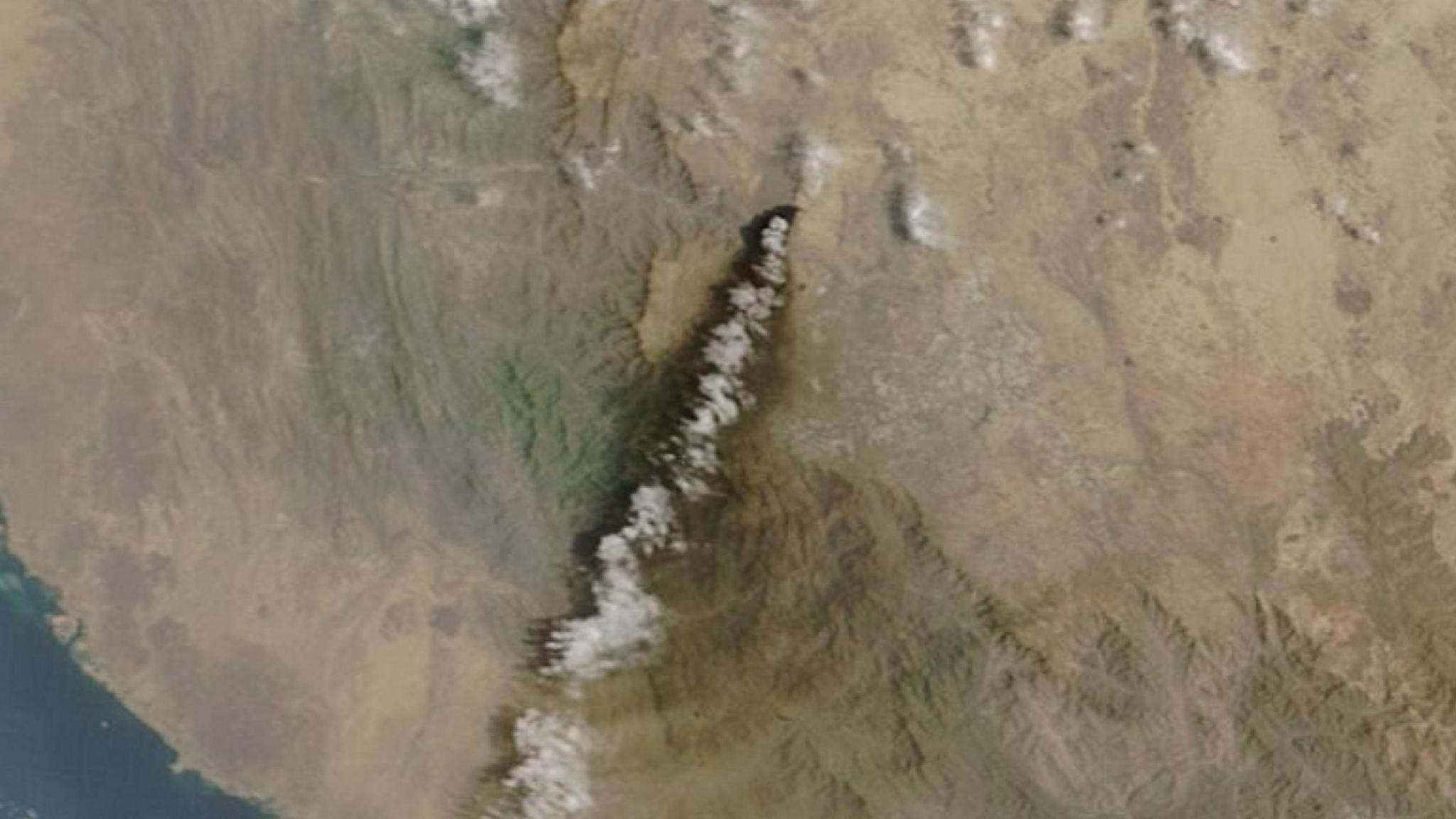
The anti‑Houthi National Resistance once controlled most of the Red Sea coast, but in a matter of days the rebels have swept inland, capturing about 130 km of Yemen’s barren Tihamah plain. The southern push appears unexpected and showcases the group’s capacity to outmaneuver the multi‑national coalition that has endured 12 years of conflict.
With key islands such as Perim under Houthi control, they now hold a strategic choke point that governs the passage of millions of barrels of oil every year. They control what goes in and out of the Bab al‑Mandab and up towards Suez without having these territorial gains,
the experts note.
Iran’s increased backing has helped the rebels, especially after the death of Supreme Leader Khamenei in July 2026 sparked a renewed resolve from Tehran’s axis of resistance. Analysts say that Iran now directly and through proxies can influence two of the world’s most strategic maritime passages – the Strait of Hormuz and the Bab al‑Mandab – controlling more than a third of the global oil trade.
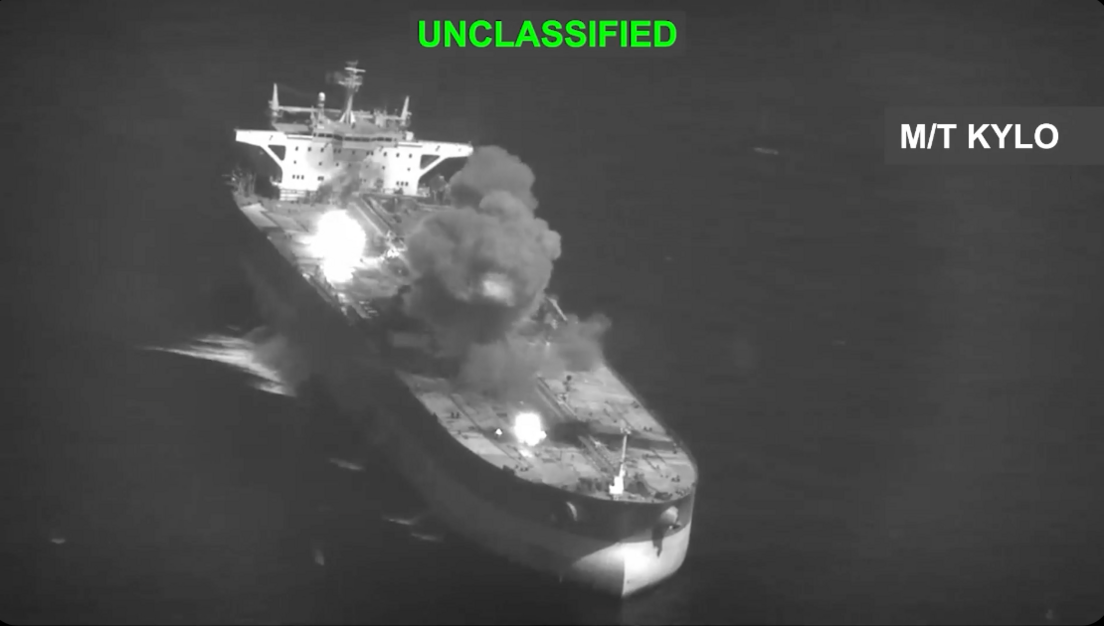
Shipping companies doubt the Houthi claim of a safe passage for all non‑Saudi vessels, citing recent attacks that struck neutral ships such as a Norwegian tanker. The rebels have also targeted the Saudi East‑West pipeline, a crucial alternative route for oil exports following earlier blockades.
Despite the US’s reluctance to get drawn into another front amid domestic politics, the escalated conflict threatens to destabilise a major artery of global commerce and could lead to renewed attacks from deeper within the Middle East.
For Yemen’s civilians, already grappling with shortages and destruction, these developments add another layer of hardship as the fighting teeters on the brink of all‑out war.
Source: Reuters and BBC, Last updated on 11 September 2026.