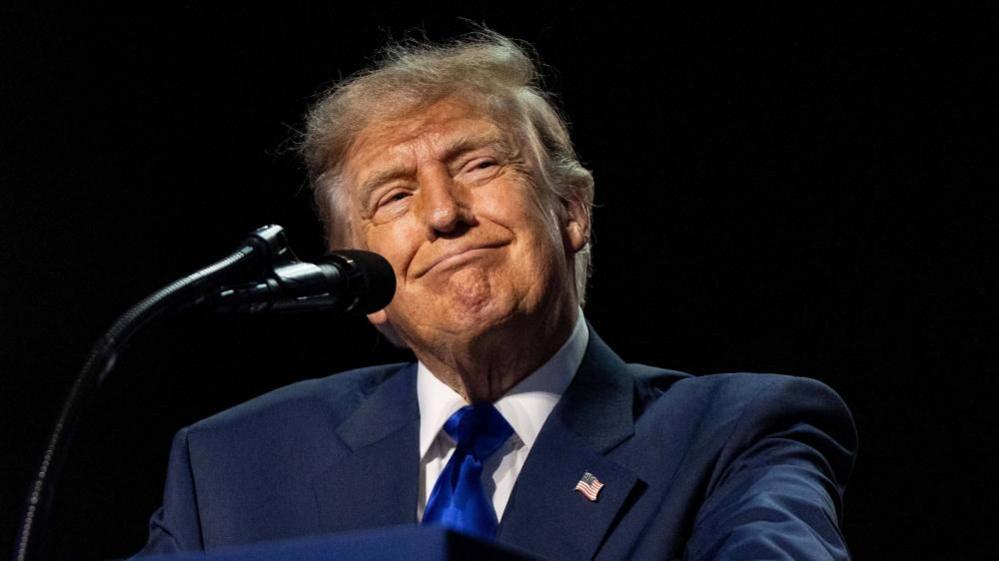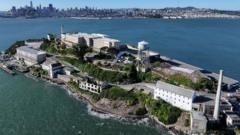
In a recent declaration, Trump reaffirmed his intention to reopen Alcatraz, strategically located in San Francisco Bay, asserting that it could once again serve as a stronghold for dangerous offenders. This iconic prison, known for its escape-proof reputation, was shut down in 1963 due to exorbitant operating costs. The site has since transitioned into a popular tourist destination, drawing millions annually.
Reasons for the closure of Alcatraz in the 1960s cited by the Federal Bureau of Prisons included significantly higher operational costs compared to other federal facilities. Trump believes that by re-establishing the prison, America can reinforce law and order, a sentiment echoed by his border czar, Tom Homan. Yet, experts are skeptical about the practicality of the proposal.
Many have touted the impracticalities of refurbishing Alcatraz. Former BOP acting director Hugh Hurwitz expressed disbelief, asserting that reviving Alcatraz would require extensive renovations, and suggested that the necessary updates could exceed the current capabilities of the facility. Additionally, historians like Jolene Babyak highlighted the logistical challenges posed by essential amenities like water and sewage disposal, which were rudimentary practices in the past but are now laced with regulatory drawbacks.
Overall, critics aptly point out that while Alcatraz remains an integral part of America's historical narrative and a point of fascination, transforming it back into a functional prison poses significant economic and structural issues. As conversations swirl around Trump's intentions, the viability of bringing back the "Rock" remains in question.
In summary, President Trump’s intent to resurrect Alcatraz as a prison encounters skepticism from experts and historians alike, who argue that the structural integrity and operational costs render the plan impractical, despite its historical significance.
Reasons for the closure of Alcatraz in the 1960s cited by the Federal Bureau of Prisons included significantly higher operational costs compared to other federal facilities. Trump believes that by re-establishing the prison, America can reinforce law and order, a sentiment echoed by his border czar, Tom Homan. Yet, experts are skeptical about the practicality of the proposal.
Many have touted the impracticalities of refurbishing Alcatraz. Former BOP acting director Hugh Hurwitz expressed disbelief, asserting that reviving Alcatraz would require extensive renovations, and suggested that the necessary updates could exceed the current capabilities of the facility. Additionally, historians like Jolene Babyak highlighted the logistical challenges posed by essential amenities like water and sewage disposal, which were rudimentary practices in the past but are now laced with regulatory drawbacks.
Overall, critics aptly point out that while Alcatraz remains an integral part of America's historical narrative and a point of fascination, transforming it back into a functional prison poses significant economic and structural issues. As conversations swirl around Trump's intentions, the viability of bringing back the "Rock" remains in question.
In summary, President Trump’s intent to resurrect Alcatraz as a prison encounters skepticism from experts and historians alike, who argue that the structural integrity and operational costs render the plan impractical, despite its historical significance.