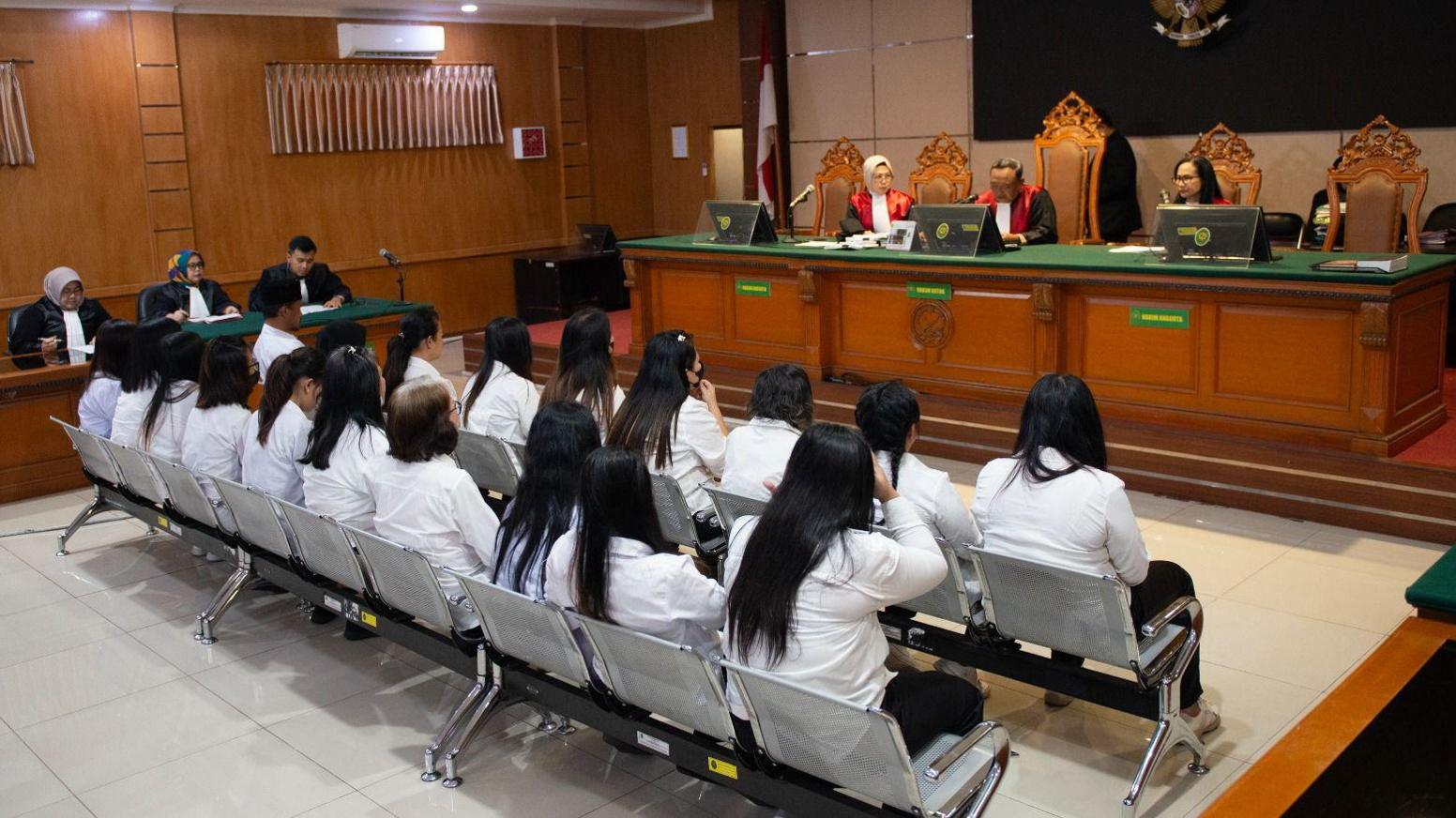
A surprise inspection by Indonesia’s Ombudsman at Cibinong Prison in Bogor, West Java, has revealed apartment‑like units just outside the main detention block. The facilities, which resemble private flats more than institutional dormitories, were found to be furnished and in use, with several inmates living inside.
In a statement released by the Ombudsman’s office, officials said the residences “appear to house inmates” but admitted that the full scope of the arrangement was still under review. The discovery has reignited concern over prison conditions and potential corruption within the Ministry of Justice’s management of state facilities.
BBC reporter Liza Tambunan explored the hidden units, noting that the rooms were equipped with light fixtures, beds and kitchenettes. She added that the purpose of the units—whether they were meant as temporary housing or a form of inmate regulation—had yet to be clarified by prison authorities.
The incident adds to a growing list of investigations into Indonesia’s ageing prison infrastructure, prompting lawmakers and civil society groups to push for reforms. If the arrangement is confirmed, it could signal a need for stricter oversight of inmate accommodation and a reevaluation of how Japan‑style or privatized housing models are applied in the country’s correctional system.