In brief
A team of researchers from Australia, Japan, Brazil and the United States has discovered preserved red blood cells and hemoglobin molecules in the limb bones of a Cretaceous theropod. The find challenges long‑standing assumptions about biomolecule decay and may open new avenues for studying ancient blood evolution and astrobiology.
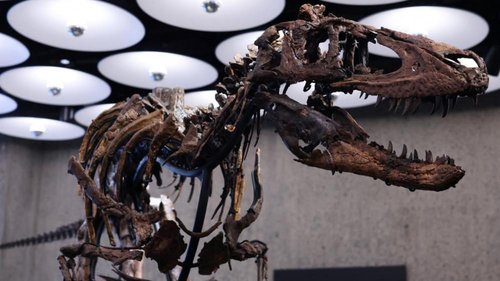
In the Rio Grande do Norte state of northeastern Brazil, a team of scientists has announced that it has uncovered the oldest unquestionable evidence of fossilized red blood cells and collagen molecules from a dinosaur that lived 115 million years ago. The finding was reported on November 4, 2026 by China’s Xinhua news agency after the research appeared in the journal Proceedings of the National Academy of Sciences.
Details of the Discovery
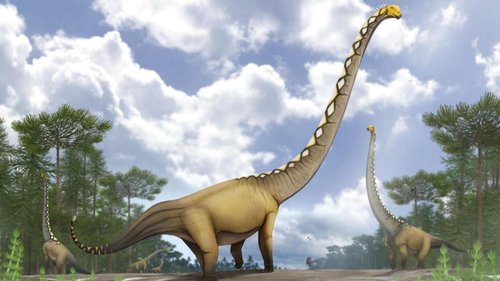
Earlier work by paleontologists had identified possible red blood cell shapes in fossil material, but the 2018 study of an ankylosaur and a 2020 report of cell‑like structures in a sauropod were not chemically validated. The current research is the first to provide biochemical evidence of hemoglobin‑derived molecules inside preserved cells.
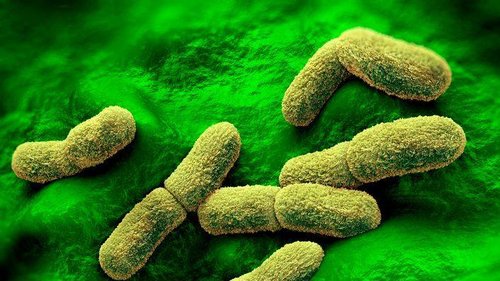
The preserved cells were found inside the vascular canals of the dinosaur’s hind‑limb bones. Microscopic analysis revealed that the cells were mineralized with a manganese‑rich mineral called hausmannite, which has been shown to protect delicate organelles for millennia.
Scientists believe that the dinosaur was quickly buried in a low‑oxygen environment rich in microbes that echoed the sediment conditions of the Rio Grande do Norte coastline. That rapid burial, combined with the mineral composition of the surrounding shale, helped lock in the cellular structure and its molecular contents.
The international team comprises researchers from Curtin University in Australia, the University of São Paulo in Brazil, the University of Tokyo in Japan, and the Smithsonian Institution in the United States. Lead author Kliti Grice, a professor specializing in dinosaur physiology at Curtin, said the discovery challenged assumptions that biomolecules could not survive that long.
By proving that hemoglobin molecules can persist for more than a hundred million years, the study opens a door to understanding how blood chemistry and metabolism evolved across deep time. Researchers anticipate that similar techniques could reveal metabolic rates or immune responses in extinct species.
The team used laser microdissection to isolate individual cells, followed by liquid chromatography‑mass spectrometry to detect amino acids belonging to collagen and heme groups that make up hemoglobin. The combination of imaging and chemical analyses is a new standard for studying biomolecule preservation.
The findings also raise possibilities for life beyond Earth. If complex proteins can survive under the right conditions on Earth, similar preservation mechanisms might be sought in meteorites or on other planetary surfaces.
Future work will focus on testing the method on a broader range of fossils from different environments and trying to locate other biomolecules such as DNA or remnants of nerve tissue. The researchers hope these investigations will refine what molecules can be expected to persist.
With this milestone, the paleontological community now has a proven example of how blood molecules can survive across geological epochs, encouraging scientists worldwide to revisit old fossils with fresh analytical lenses.
Beyond biology, the discovery may inform preservation strategies for living organisms. By identifying minerals that shield proteins from decay, conservationists could mimic these conditions to protect endangered species or ancient museum specimens. The study suggests interdisciplinary cooperation between paleontologists, geochemists, and conservation scientists could yield new protective technologies.