In brief
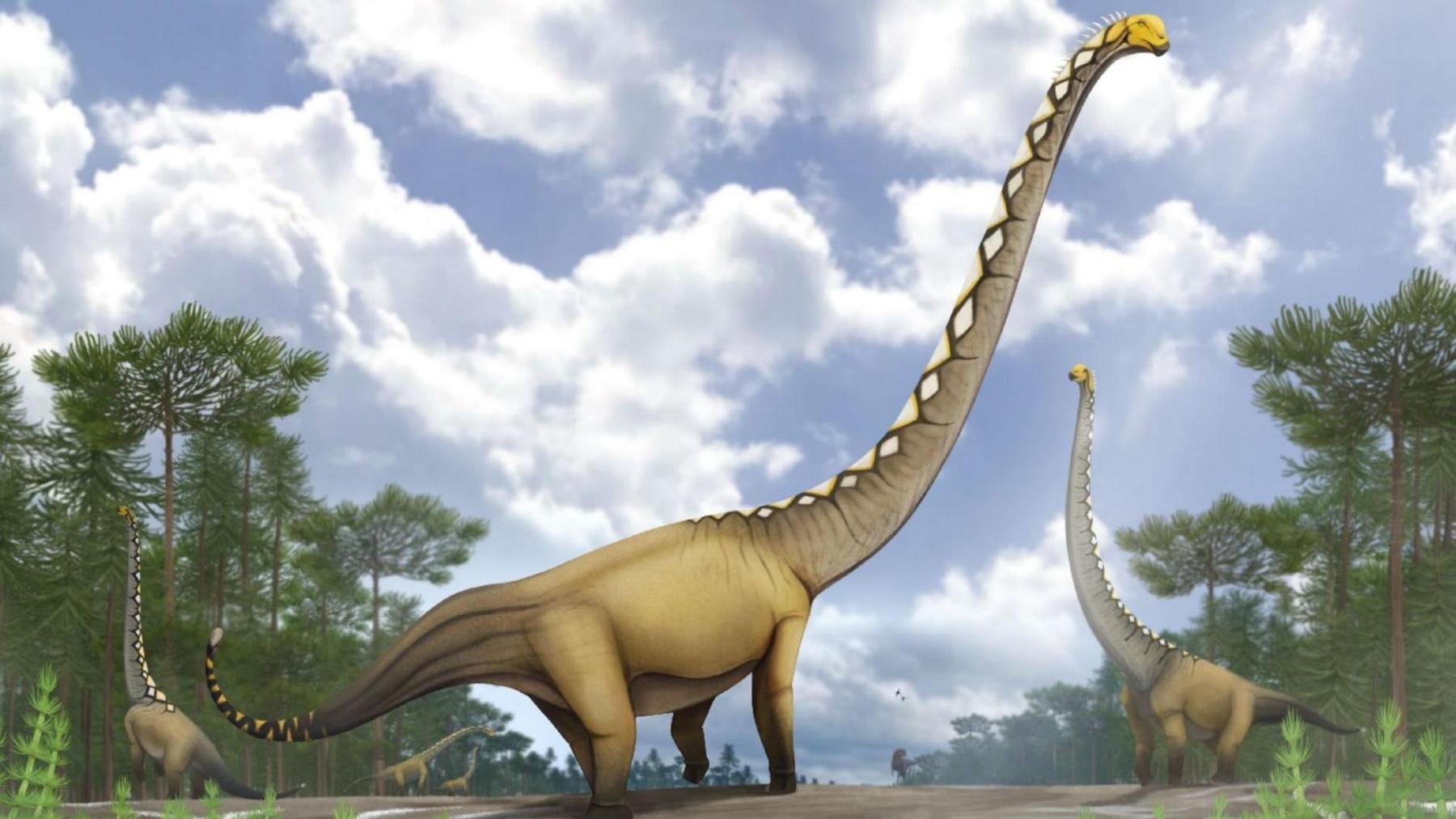
Palaeontologists in Thailand have identified a new species of sauropod dinosaur, Uragasaurus kalasinensis, from fossils in Kalasin Province. The plant‑eating creature, dating back 150 million years, measured about 20 metres—roughly the length of a cricket pitch—and featured a distinctive Y‑shaped arrangement of supporting bones. A CT scan confirmed it belongs to the Mamenchisauridae family, a group usually found in China, marking the first such discovery in Thailand.
New dinosaur species with neck as long as cricket pitch discovered in Thailand
Palaeontologists in Thailand have announced the discovery of a new species of dinosaur from fossils unearthed in Kalasin Province.
The plant‑eating dinosaur, named Uragasaurus kalasinensis, lived about 150 million years ago during the Late Jurassic period.
Unlike most sauropods, its neck stretched out for about 20 metres—roughly the length of a cricket pitch—making it one of the most impressive long‑necked species found in Southeast Asia.
Lead author Dr Apirat Nilphanaphan explained that the specimen came from a large fossil collection at Phu Noi, a site first identified in 2008 after a local man found fragments resembling serpent scales. The dig yielded over 90% dinosaur fragments, including teeth and bones.
The key to the new species was a recovered dorsal vertebra, which exhibited a unique Y‑shaped arrangement of supporting bones known as laminae. A CT scan exposed a distinctive air‑cavity structure, which no other dinosaur shows.
The species belongs to the Mamenchisauridae family, recognised for their long necks that allowed them to reach vegetation at varying heights. This marks the first find of this family in Thailand, while most Mamenchisauridae fossils come from China.
Researchers celebrated the discovery with excitement, noting the combination of exhilaration and relief that came with uncovering a new dinosaur species.
The study was published in the Nature scientific journal earlier this week, adding to the growing body of evidence that Thailand’s fossil record is rich and still holds many surprises.
For context, a related find earlier in May revealed the nagatitan, the largest dinosaur in South‑East Asia, weighing 27 tonnes and measuring 27 metres in length.