In brief
Washington on November 4, 2026, faced a tense decision: will President Trump order renewed strikes on Iran or seek a diplomatic solution? Trump has announced no immediate plans for an attack, but Israeli Prime Minister Netanyahu has urged action, and limited U.S. military operations have continued. The outcome hinges on domestic politics, diplomatic progress, and Israel’s security concerns.
Washington, Nov. 4, 2026 – With Americans voting in the midterm elections, President Trump faces a grave decision on whether to launch a new military campaign against Iran or rely on economic and diplomatic pressure to resolve the dispute. The choice has reverberations across the Middle East, as Iran’s nuclear ambitions and regional influence remain a priority for the United States.
In a February‑interview with the Financial Times, Trump said the United States had no immediate plans to strike Iran, indicating that he was satisfied with the current stance of the confrontation. “We seem to be getting everything we want,” he told the paper, describing the situation as “brilliant.” The president’s tone suggested a temporary pause in direct military action while engaging in diplomatic negotiations.
Israel’s Prime Minister Benjamin Netanyahu have been pressing the U.S. for fresh strikes. Asked about Netanyahu’s hints of a possible attack later that week, Trump answered, “I’m ready, we’re ready. We’re locked and loaded if we need to go, but there may be no reason for it.” The comments illustrate the tension between U.S. strategic patience and Israel’s insistence on a hard‑line approach to Iran.
Back‑channel talks continue, according to Trump, with Iranian officials on its enriched uranium stockpile – the core security concern for Washington. He confirmed that the administration has maintained an “ongoing indirect” dialogue, even as the broader diplomatic strategy remains fluid. The conversation reflects the complexity of balancing the threat of nuclear proliferation with the benefits of a negotiated settlement.
On Monday, Trump said he was “in no rush” to decide whether to resume military action against Iran. “One way or the other, we will do something, but there is no rush. We crippled them financially,” he said in a phone interview with Axios. Axios reported that the president appears to be pursuing two tracks at once: allowing diplomatic negotiations to progress while keeping an option for a military response in reserve.
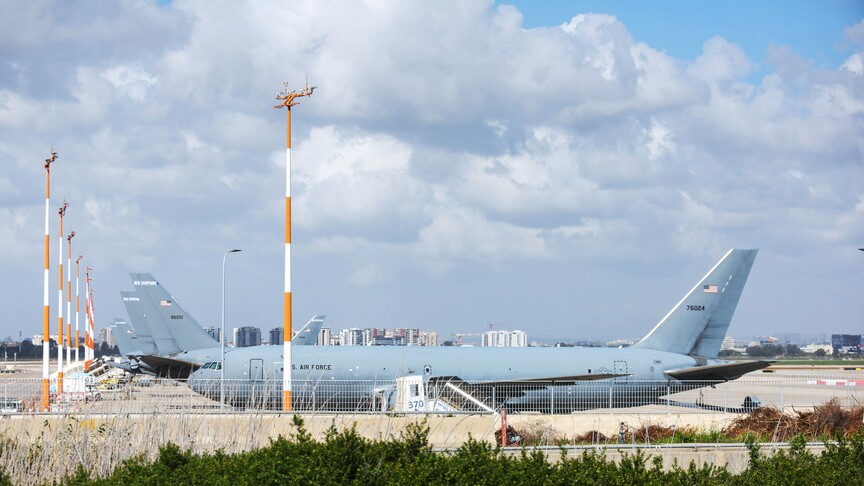
While the presidential comments suggest a campaign pause, limited U.S. military strikes have lined up on Iranian territory. A Wall Street Journal piece earlier in the week reported that U.S. forces had attacked targets on Iran’s Qeshm Island in the Strait of Hormuz. The author said the strikes were part of a series of covert operations that Washington has secretly carried out in recent weeks, even as President Trump touted the possibility of a diplomatic deal. U.S. officials described the latest missions as defensive measures aimed at protecting American military assets in the Middle East from Iranian threats.
The diplomatic posture is clearly complicated by strong domestic pressure. Some GOP lawmakers have argued that a failure to act militarily would undermine national security and leave Iran unchallenged. On the other hand, proponents of restraint point to the PR fallout of another conflict and the high economic costs that would result from a renewed strike campaign.
Israel’s insistence on military engagement further pressures the U.S. decision. Netanyahu has repeatedly warned that Iranian ballistic missile capabilities pose a direct threat to Israeli civilian and military targets. He has urged Washington to take a decisive stance, while still breathing room for diplomatic resolution should the situation improve.
Ultimately, the decision rests with President Trump, whose administration remains divided. Public statements suggest that the president is preparing to act if negotiations falter, but his remarks also indicate that a diplomatic breakthrough could tip the balance. The nation watches closely, as any action could reshape the balance of power in the Middle East and affect global perceptions of U.S. foreign policy stability.