In brief
On Thursday, Yemeni forces launched airstrikes and engaged in ground clashes with Houthi rebels across several provinces, destroying a missile launcher on Mount Ba'dan and killing civilians in a missile strike in Taiz. The government claims dozens of Houthi fighters were killed or wounded, and 16 military vehicles were disabled. The fighting reignites a cycle of violence that has displaced more than 250,000 people since July.
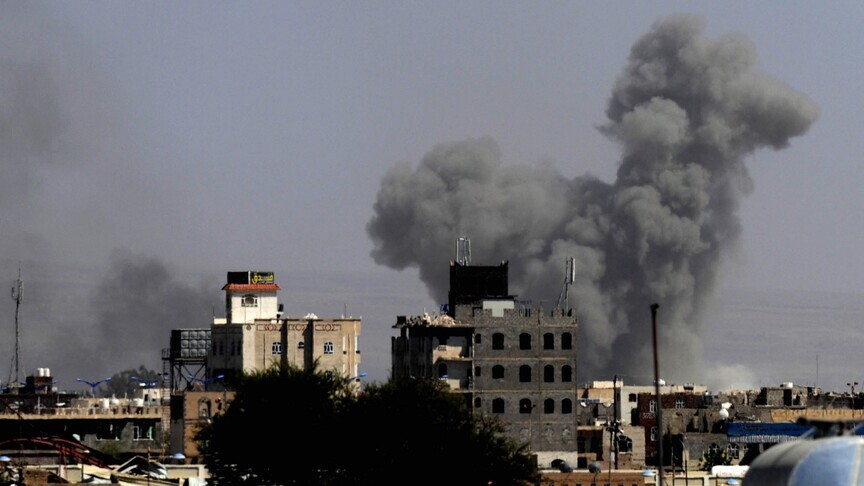
Yemen’s eastern provinces were the scenes of fresh fighting on Thursday, with government forces conducting airstrikes and ground operations that pitted them against Houthi rebels on several fronts. Local television channels reported that an airstrike on Mount Ba'dan in Ibb province destroyed a Houthi missile launcher, marking the second such strike on the high‑land site in less than 24 hours. The same source described subsequent attacks targeting Houthi positions on the outskirts of the villages of al‑Sarari and Dhi al‑Barah, southeast of Mount Saber in Taiz province.
Meanwhile, Aden Television highlighted intense clashes on the Lahj front, where government troops confronted Houthi fighters in the Maqaterah, al‑Sawalah and al‑Zariq areas. It added that airstrikes had struck Houthi reinforcements in Naqil al‑Saha in Maqaterah and that a fourth‑military‑region unit had destroyed a Houthi vehicle carrying a 23‑mm anti‑aircraft gun. The channel reported that dozens of Houthi fighters killed or wounded in those clashes were taken to the Khalifa Hospital in Turbah.
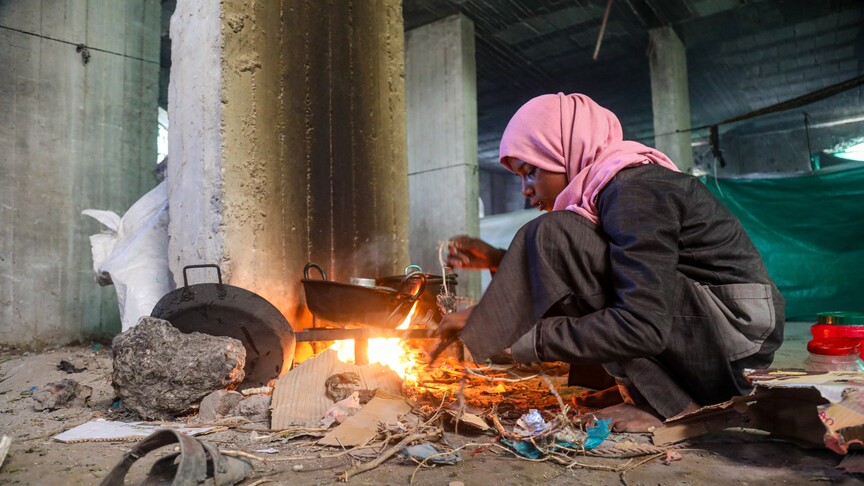
In Taiz province, the government said a Houthi missile strike on the al‑Athawir area of the Hayfan district killed eight civilians, including children. The attack was reported as part of a broader pattern of violence that began again in July, an interval that the United Nations describes as having led to thousands of casualties and more than 250,000 displaced people.
Aden TV also reported that Yemeni armed forces had carried out 322 operations during the latest offensive, killing 64 Houthi fighters and disabling 16 military vehicles. These actions are part of an operation called “Dawn of Yemen,” launched by government forces on Oct. 5. The goal of the campaign is to regain control of state institutions and retake the capital city of Sanaa from Houthi rule.
Sustained Conflict and Humanitarian Impact
Saudi‑led coalition troops have supported the internationally recognized government since March 2015, while the Houthis, who seized Sanaa and other provinces in September 2014, have maintained a strong insurgent presence on multiple fronts across the country. The renewed clashes have shattered a period of relative calm that had persisted since April 2022, according to the United Nations. Displacement has reached record levels, with civilian camps swelling as people flee from ongoing battles and air attacks. The humanitarian crisis worsened further as critical roads and supply routes were blockaded or damaged in the war’s flare‑ups.
These recent clashes illustrate the volatility that still characterizes Yemen’s civil war, where each side trades sporadic attacks for strategic gains while civilian populations bear the immediate violence. International observers continue to call for a comprehensive ceasefire and renewed diplomatic engagement to halt the bloodshed and address the deep‑seated grievances that fuel the conflict.