In brief
In a nation grappling with poverty and sanctions, Ghorbandi's role offers insights into the economic strategies of the Taliban regime.
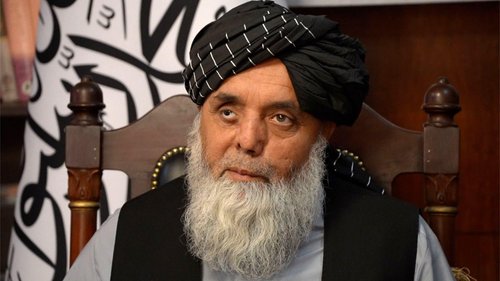
Abdul Qahar Ghorbandi, who once operated covertly within the Taliban, now occupies a critical position as the director of the Taliban’s Taxpayers Services Directorate in Kabul. Tasked with the daunting responsibility of increasing government revenue in an impoverished Afghanistan, Ghorbandi, clad in a black turban, has a surprisingly affable demeanor that underpins a sharp financial acumen.From his expansive desk adorned with a Taliban flag, he oversees operations where hundreds of Afghan taxpayers daily bring their income documentation. They navigate through the imposing tax building's corridors, where teachers, vendors, and various tradespeople converse over required tax forms, all under the watchful eyes of the Taliban staff diligently working on computers.In response to the economic downturn that followed their 2021 ascension to power, the Taliban have intensified their taxation efforts. This initiative comes in the wake of stringent international sanctions directed at their governance, largely attributed to their treatment of women and girls, which further exacerbates an already strained financial landscape.The significant reduction in U.S. aid, originally intended for support via the United Nations and non-governmental organizations, presents additional economic hardships as the Taliban government seeks avenues for fiscal sustainability. Ghorbandi's work represents not just the challenges of tax collection but the broader struggle of a nation seeking to find stability amidst isolation and economic despair.