In brief
The Taliban government has halted the BBC’s FM radio broadcasts across Afghanistan, claiming repeated violations without giving details. The BBC remains the sole international outlet broadcasting in the country, reaching a significant portion of the adult population in Pashto, Dari and English via radio, satellite and online. The suspension affects millions who rely on the broadcaster for accurate news, including educational content for girls. With tighter media controls—banning music and limiting women’s on‑air presence—the BBC vows to continue independent reporting on other platforms.
BBC FM radio transmissions suspended in Afghanistan
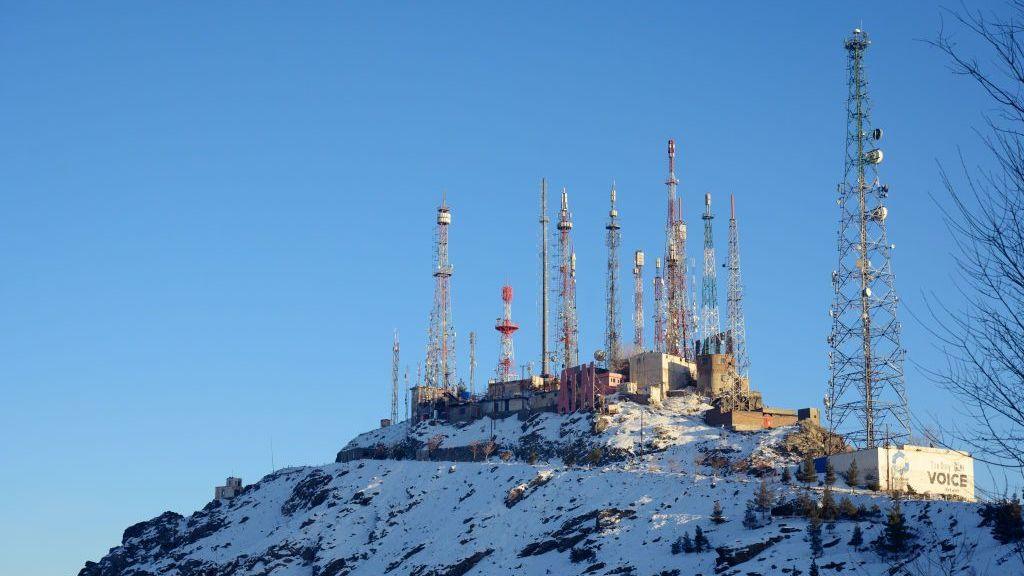
Afghanistan's Taliban government has suspended the transmission of BBC broadcasts from FM radio sites across the country.
A Taliban spokesman said the BBC was suspended because of "repeated violations," but did not provide details.
The BBC has been the only international news outlet to broadcast inside Afghanistan since two US‑based stations were banned in 2022.
"Millions of people across Afghanistan rely on the BBC for accurate news and information and we are working with the authorities to address the situation," the broadcaster said in a statement.
The BBC will continue to report fairly and independently in Pashto, Dari and English on short‑wave, medium‑wave radio, online and satellite, reaching more than 20% of the adult population each week, including educational programming for girls who have been barred from secondary schools.
Taliban Ministry of Information and Culture spokesman Khubaib Ghufran told local media that the suspension was a temporary decision due to repeated violations.
The Taliban tightly control media operations: music is banned, women are largely invisible on air, and co‑presentation with men is prohibited.
While some social media platforms remain accessible, lack of electricity, high costs and low literacy rates still limit reach.
The BBC's Afghan service has operated continuously since 1981.