In brief
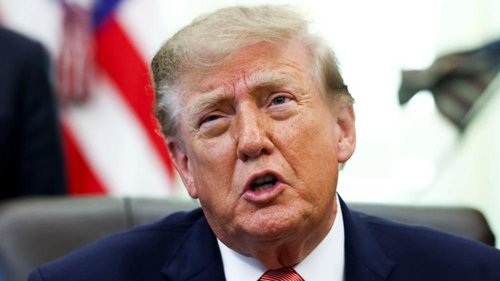
In recent weeks, the U.S. economic landscape has been riddled with uncertainty following President Trump's announcement of new tariffs that initially destabilized global markets. As stock values plummeted and investor concerns grew over a potential recession, the administration faced mounting pressure. It was not until signs of distress emerged in U.S. government bond markets that Trump granted a temporary reprieve for some tariffs on technology products such as smartphones and computers. As Trump’s decision to rollback certain tariffs momentarily calms markets, it sparks a dialogue regarding the mechanisms that hold leaders accountable for their controversial policies. In democratic systems, leaders typically face subtle pressures from various stakeholders, not limited to electoral consequences but also advisories and economic repercussions. Political scientists emphasize that accountability often extends beyond the ballot box, highlighting the necessity for timely interventions to steer leadership away from harmful decisions.