In brief
Open‑source tracking shows a second wave of sixteen U.S. C‑17 cargo aircraft carrying Patriot air‑defense equipment from Biggs Army Airfield to Ovda Air Base, suggesting a full battery may be in transit. The movement aligns with broader U.S. repositioning in the Middle East and Europe and illustrates the administration’s intention to bolster Israeli air defenses.
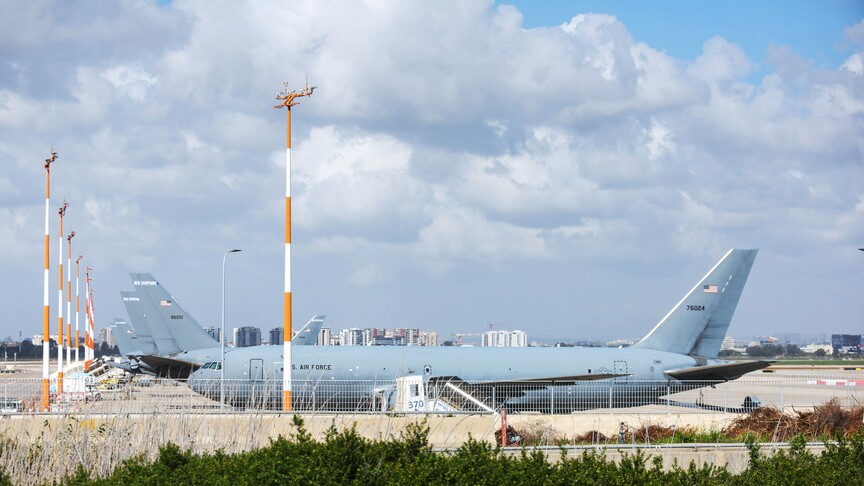
The U.S. has begun shipping a new wave of military cargo from Texas to southern Israel, according to open‑source flight‑tracking data released on Tuesday. Six U.S. Air Force C‑17A Globemaster III cargo aircraft have departed from Biggs Army Airfield at Fort Bliss carrying Patriot air‑defense equipment destined for Ovda Air Base in the Negev desert.
These movements follow an earlier series of eight C‑17 flights that reached the same Israeli base last week. Once the second group completes its journey, the total number of flights from Biggs to Ovda is expected to reach sixteen, a figure that signals the shipment of an entire Patriot battery rather than a limited engagement package.
A limited engagement package—described as a contingent capable of conducting air and missile defense operations anywhere in the CENTCOM area of responsibility within 96 hours—typically contains fewer systems. The current scale of the airlift, however, aligns more closely with the logistics of a complete Patriot battery.
Broader Movements of U.S. Cargo Aircraft
The C‑17 flights to Israel are part of a larger pattern of open‑source observations of U.S. military cargo movements across the Middle East and Europe. C‑17 aircraft stationed at Al Udeid Air Base in Qatar had departed on November 1 for Ramstein and Spangdahlem air bases in Germany. Another C‑17 flew from Pope Army Airfield in North Carolina to Ali Al Salem Air Base in Kuwait, and two other aircraft departed the Kuwaiti base for Davis‑Mothan Air Force Base in Arizona.
Meanwhile, the U.S. military has continued to reduce its footprint in the United Kingdom. Two C‑17 aircraft departed RAF Fairford over a 48‑hour period, one of which flew to Ellsworth Air Force Base in South Dakota and the other to an unspecified destination.
The movement of the fourth C‑17, under the call sign REACH 324, from Biggs Army Airfield to Gander International Airport in Canada represented a separate operation that suggests another Patriot deployment may be in preparation.
Implications for Regional Security
Israel’s air defenses have faced increasing pressure from missile attacks in recent months, and the arrival of additional Patriot systems could strengthen its ability to intercept incoming threats. The U.S. has not confirmed the deployment, but the volume of material flights points to a substantial augmentation of Israel’s air‑defense posture.
Analysts say that a full Patriot battery would enhance Israel’s coverage against ballistic missiles, a capability that has been central to U.S. support for the country’s national security. At the same time, the deployment underscores the U.S. commitment to maintaining strategic advantage in the Middle East and preparing for quick response within CENTCOM’s area of responsibility.
While the incident illustrates an escalation in materiel support, it also reflects broader logistical adjustments as the U.S. military reprioritizes its equipment across multiple theaters. The movement of C‑17 aircraft from the United States to the Middle East, and from the U.S. to Canada, illustrates this evolving repositioning effort.
In sum, the latest series of cargo flights, according to the open‑source intelligence gathered by flight‑tracking services, signals a probable transfer of a complete Patriot battery to Israel, reinforcing the U.S. policy of bolstering U.S.-allied air defenses amid the heightened security climate in the region.