In brief
Recent Turkish military actions in northeast Syria have disrupted essential water and electricity supplies, impacting over one million people. The conflict, exacerbated by climate change and a prolonged civil war, raises questions about humanitarian rights and international law violations.
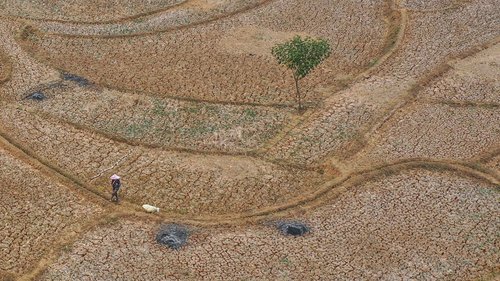
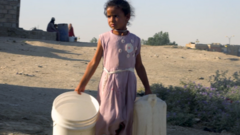
Turkish military operations in northeast Syria have led to a devastating humanitarian crisis, affecting over a million residents in the Hassakeh province. Ongoing air strikes have crippled access to vital resources such as electricity and water, raising alarms about potential breaches of international law.Between October 2019 and January 2024, Turkish forces executed over a hundred attacks targeting oil fields, gas facilities, and critical power infrastructure in the Kurdish-controlled Autonomous Administration of North and East Syria (AANES). This onslaught coincides with a persistent drought that has left the region in dire straits, a situation worsened by years of civil conflict and climate-related challenges.The Alouk water station, once the primary source of water for Hassakeh, has ceased to function due to targeted strikes on electricity facilities last October. Residents now depend on water delivered by tanker trucks, with priority given to schools and hospitals. However, these deliveries fall short of meeting the population's needs, creating a deepening crisis.Witnesses recount desperate scenes as individuals vie for water, with some admitting to fighting over scarce resources. “Water is more precious than gold here,” stated a local tanker driver, highlighting the dire circumstances faced by the community. Authorities acknowledge the severity of the situation, declaring it a humanitarian catastrophe.The backdrop to this conflict is Turkey’s long-standing tension with Kurdish groups in the region, which Ankara classifies as terrorist organizations. Turkish President Recep Tayyip Erdogan has labeled the AANES, established in 2018 after the defeat of ISIS, as a “terror state.” The ramifications of this conflict extend beyond military actions, spilling into the lives of civilians who continue to suffer from the ongoing violence.Notably, satellite imagery and reports confirm widespread power outages following recent Turkish strikes. Despite these alarming developments, Turkey maintains that its actions target military infrastructures linked to the Kurdish Workers’ Party (PKK). Meanwhile, humanitarian organizations and legal experts are calling for investigations into potential war crimes related to the disruptions caused by Turkish military operations.With climate change exacerbating the existing drought, the situation is precarious. Experts caution that the water supply issues in Hassakeh stem not solely from military aggression but also from climate-induced challenges, alongside decades of neglect in water infrastructure maintenance.As residents express feelings of abandonment and desperation for help, international observers and legal analysts urge an examination of Turkey's military actions under humanitarian laws. Despite Turkey's assertions of compliance with international regulations, the reality on the ground suggests a grave humanitarian emergency that requires immediate attention.