In brief
Recent remarks by Amsterdam's mayor concerning the term "pogrom" highlight the escalating dialogue surrounding anti-Semitism and Islamophobia in Europe.
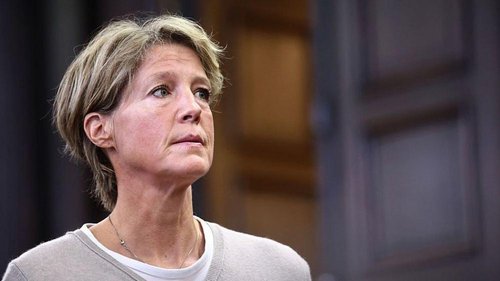
In a heated political climate, Amsterdam Mayor Femke Halsema has stirred controversy after expressing regret over her use of the term "pogrom" in reference to violent incidents targeting Israelis during a recent soccer match in the city. Following the events that unfolded on November 7, Halsema described her concerns over the word being exploited as propaganda for political agendas.The criticism came swiftly from Israeli officials, notably Gideon Saar, the country's foreign minister, who termed Halsema’s retraction as "utterly unacceptable", insisting that the attacks warranted the description of pogrom. This term historically refers to violent rioting against Jewish communities, particularly in Eastern Europe from the late 19th century until the early Soviet era, thereby carrying significant emotional weight and historical implications.While Saar and other Jewish leaders have reaffirmed the use of the term in light of the rising anti-Semitic sentiments encountered after the Hamas attacks beginning October 7, 2023, Halsema’s hesitance has been viewed as an attempt to mitigate rising anti-Muslim rhetoric linked to far-right politics in the Netherlands. The political landscape in the country is complex; figures like Geert Wilders, leader of a far-right party, have successfully harnessed sentiments around immigration and Islam, using potent rhetoric that includes employing terms like “pogrom” to describe violence against Israelis. His stance has often been accompanied by derogatory remarks aimed at Moroccan immigrants, raising fears around the intersection of political discourse and ethnic conflicts.This incident lays bare the fragile balance of discussing ethnic and religious violence; the word "pogrom" evokes painful historical memories for both Jewish people and communities facing violence today. As tensions continue to rise, the political implications of language and narrative within discourse will undoubtedly be pivotal in shaping future dialogues on intolerance and violence across communities.