In brief
With Hollywood's film industry facing a downturn, local filmmakers are advocating for increased production in Los Angeles to support workers affected by recent devastating wildfires. The push comes as crews increasingly film in other cities due to cheaper labor and tax incentives.
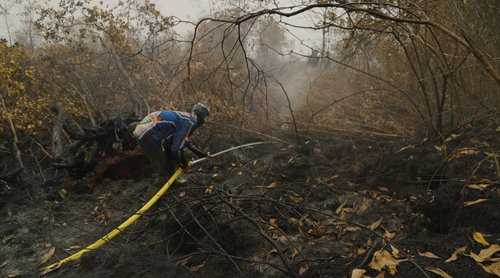
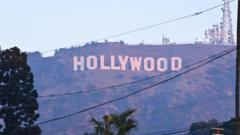
Hollywood's appeal stretches beyond just celebrity; it's a lifeline for many local film workers who have seen a decline in opportunities as productions shift away from Los Angeles. Following the catastrophic wildfires that claimed lives and homes, voices within the industry are rising to urge studios and state leaders to bring back productions to the City of Angels. Mark Worthington, a production designer whose home was destroyed, emphasizes the need to prioritize local work for LA film crews. With significant production declines noted nationally, particularly a 26% drop in the U.S. since pre-strike levels, the call for returning to Los Angeles has gained urgency. A grassroots initiative led by director Sarah Adina Smith seeks to remove caps on production tax incentives for LA County, hoping to bolster local productions which would aid in the recovery.The economic argument for keeping production within California is compelling, with existing state tax incentives contributing over $26 billion in economic activity and supporting a vast number of industry jobs. However, despite Hollywood's charitable efforts, including over $70 million for fire relief, many believe that merely donating isn’t enough.Prominent figures, including Vin Diesel, have shown support for local filming, stating that productions must help rebuild Los Angeles. The hope is that an increase in film work will not only revitalize the economy but also bring back a sense of normalcy amid the devastation.Yet, the path forward is fraught with challenges as studios prioritize profits, often opting for locations that offer lower costs and more favorable tax breaks, such as Georgia or Canada. As the California legislature considers more generous tax credits, the stakes remain high for the future of Hollywood. Ultimately, as filmmakers and community members assess the legacy of lost homes and opportunities, there’s an underlying belief in the resilience of the city and its culture. Many, like Jamie Morse, cling to hope amid the ashes, believing that creativity can flourish even from devastation. If Hollywood can find a way to support its local workforce and restore its iconic legacy, it may just rise from the ashes stronger than before.