In brief
Meraas unveiled its Creative Living Space at Dubai Design Week 2026, translating the district’s masterplan into five sensory environments and hosting design talks, workshops, and music sessions. The 12th edition of the festival drew architects and designers from more than 50 countries to present 40 projects, reinforcing Dubai’s position as a global design hub. Through partners like SOM, Woods Bagot, and U+A, the event highlighted design’s role in shaping living, work, and community life.
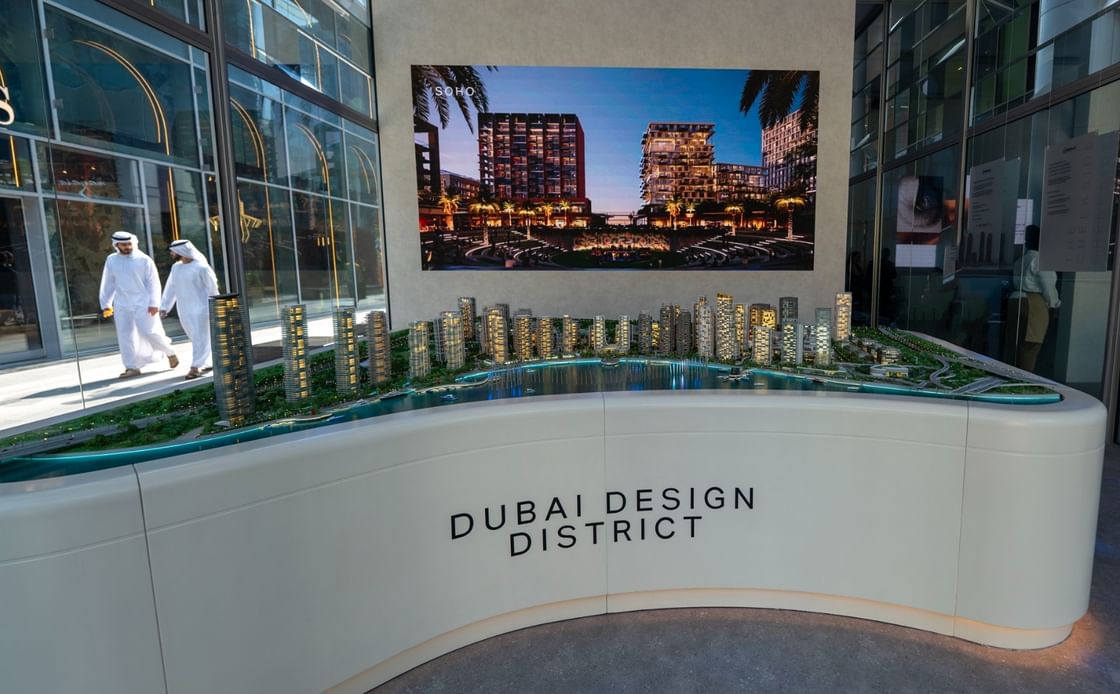
DUBAI DESIGN DISTRICT, UAE – On a Wednesday in Dubai, visitors to the 12th Dubai Design Week walked into a new sensory installation by Meraas that claimed to bring to life the future of the district’s masterplan. The Meraas Creative Living Space opened on 4 November and stayed open until 8 November, offering a series of design, culture and music sessions that were intended to immerse audiences directly in the planned towns and neighborhoods of d3.
The installation was created in collaboration with Duette Studio and is split into five themed zones that are meant to echo the five areas of the masterplan: The Creekside, Design HQ, SOHO, The Sanctuary and The Mindspace. Each zone is designed to let visitors experience the way that homes, public spaces and cultural venues could blend to shape everyday life in d3.
In the evenings, the SOHO zone hosted daily listening sessions featuring music personalities Ben Palace, DJ Liutik and Karrouhat. The sessions were described as a way for audiences to “gather and experience music as part of the district’s cultural life.” Throughout the week, the space also hosted talks and workshops on designing for a creative economy, the creative design process and the evolution of d3 as a hub of design in the Middle East.
“Meraas has always approached development with the belief that design shapes both the built environment and the way people live, meet and spend time,” a Meraas spokesperson said. “The Creative Living Space allows visitors to engage with the masterplan beyond its architecture, exploring how culture, shared spaces and social experiences can shape everyday life within d3’s residential neighbourhoods.”
The Creative Living Space joined a broader programme that saw more than 50 designers from across the world presenting 40 projects that mixed cultural heritage with contemporary practice. Highlighted among the projects were installations, exhibitions and workshops that explored sustainability, technology and human connection. The festival ran until 8 November and was held under the patronage of H.H. Sheikha Latifa bint Mohammed bin Rashid Al Maktoum, Chairperson of Dubai Culture and Arts Authority.
In a statement to the press, Khadija Al Bastaki, Senior Vice President of Dubai Design District, said that design “plays a central role in shaping how people live and interact with their surroundings.” She added that d3 “remains committed to supporting Dubai Design Week and initiatives that strengthen the creative ecosystem and Dubai’s position as a global design hub, in line with the Design Sector Strategy 2033.”
Shaima Rashed Al Suwaidi, CEO of the Arts, Design and Literature Sector at Dubai Culture, described design as a key contributor to Dubai’s creative economy, adding that the festival “connects creative ideas and skills with production capabilities and commercial opportunities” and that the UAE Designer Exhibition allows local creatives to “showcase their work, exchange expertise and build relationships with industry partners.”
Natasha Carella, Director of Dubai Design Week, explained that this year’s programme “explores the relationship between design and human connection, alongside experimentation with materials, traditional crafts and emerging technologies.” She noted that “Abwab returns this year in a new format under the title ‘In Other Words’, bringing together five newly commissioned works in a shared indoor exhibition for the first time instead of individual pavilions.”
The festival also saw the opening of Downtown Design, an event that gathered more than 300 brands and designers from over 35 countries and presented new collections from international design houses as well as regional designers and emerging talent.
Architectural partners featured in the Meraas installation, including Skidmore, Owings & Merrill (SOM), Woods Bagot and U+A, emphasized how design could connect people and places to support the character of the district. The collaboration between these global firms and the local community suggests a future where design not only shapes skylines but also the social fabric of neighbourhoods.
By integrating sensory environments, cultural programmes and technological experimentations, the Meraas Creative Living Space sought to bridge the gap between a masterplan on paper and the lived experience of occupants, makers and visitors alike. The project – presented as a living, breathing canvas – was positioned to demonstrate Dubai’s ambition to be a centre for design that extends beyond products to the very way people live, work and connect.