In brief
The European Union announced a ban on the purchase, import and transfer of Sudanese gold, citing its use as a vital source of war financing. The embargo includes mercury and cyanide used in mining, aimed at cutting off bullion that fuels both the army and the Rapid Support Forces. Experts warn the ban alone may not stop the smuggling that funnels millions into the conflict unless major gold hubs and transit routes tighten enforcement. The move adds pressure on those fueling the war, amid an acute humanitarian crisis where 28 million Sudanese face hunger. The sanctions are part of a broader EU strategy to curb resources supporting the violence.
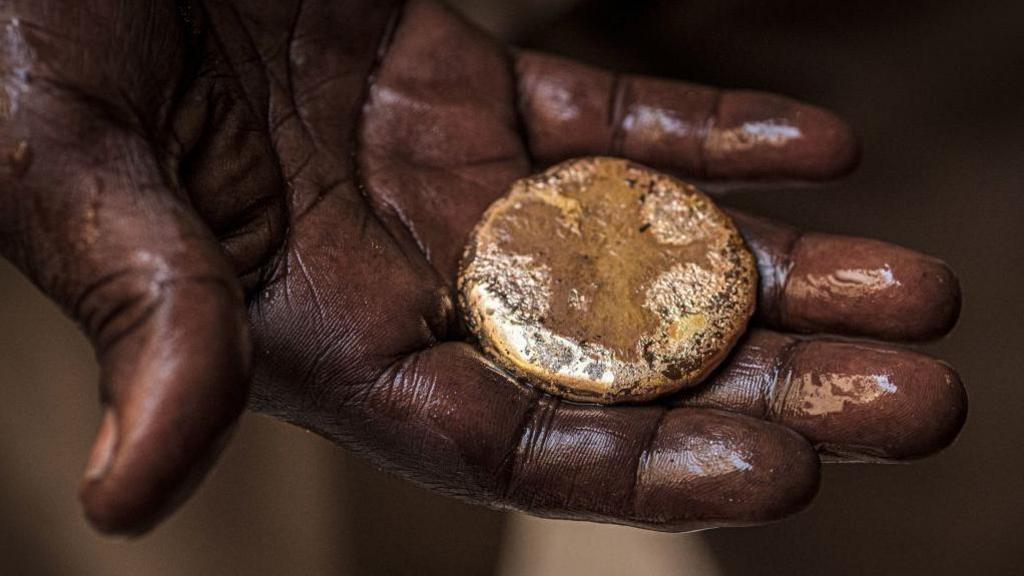
The European Union has imposed a comprehensive embargo on the purchase, import, and transfer of gold from Sudan, claiming the trade has become a key source of war financing since the conflict began in April 2023.
The blockade extends beyond bullion to mercury and cyanide, chemicals widely used in small‑scale gold mining, reflecting the EU’s effort to target all revenue streams that aid both the regular army and the paramilitary Rapid Support Forces (RSF).
Sudan ranks among Africa’s largest gold producers, and UN experts estimate that 50‑70% of its gold is smuggled each year. The RSF controls most gold‑rich areas in Darfur and Kordofan, while the army oversees northern and eastern regions.
Looted gold typically passes through Egypt, Chad and Libya, before reaching Dubai’s markets, a major hub for refining and trade. The EU council warned that the ban and related restrictions aim to “reduce the resources available to those perpetuating the violence and increase pressure on the war‑funders.”
Under the new regime, EU entities and individuals are prohibited from purchasing, importing or transporting Sudanese gold. Mercury and cyanide needed for humanitarian and public‑health purposes are exempt from the export ban.
A broader sanctions package already targets individuals and organisations linked to the conflict. Nonetheless, analysts caution that without tighter enforcement at major gold trading centres and regional transit corridors, the smuggling network may persist.
The escalating pressure comes as international aid agencies warn that over 28 million Sudanese are suffering severe food shortages amid the ongoing violence.