In brief
The current hurricane season surprised experts with intense storms despite early calm, intensified by climate change. Historically warm Atlantic waters contributed to rapid hurricane development, leading experts to warn of increasing storm power in future seasons.
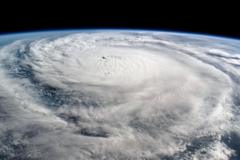
The 2024 hurricane season has been marked by extraordinary storm activity, defying early predictions and illustrating the significant influence of climate change on weather patterns. The season began ominously with Hurricane Beryl, the earliest category five hurricane recorded in the Atlantic since 1920, setting the tone for what would become an intense period for tropical storms. Scientists had warned of a potentially extraordinary season due to unusually warm Atlantic temperatures and changes in regional weather patterns.After a quiet start, September brought a burst of storm activity, with five hurricanes forming in less than two weeks, a count typically seen over an entire year. Despite higher sea temperatures that favor storm development, initial atmospheric conditions prevented early storm formation. However, conditions shifted with the West African monsoon and Saharan dust initially hampering but later contributing to storm formation.Rapid intensification became a critical concern, as storms like Hurricanes Helene and Milton rapidly strengthened, reaching maximum sustained wind speeds at alarming rates. Milton's intensification by over 90mph in 24 hours became one of the fastest recorded, underscoring the reality of climate-impacted storm behavior.Research highlights how climate change is causing hurricanes to strengthen more quickly due to warmer oceans. This season's storms demonstrated the dangers of rapid intensification, posing severe risks for communities with less time to prepare.Looking forward, the Atlantic remains primed for further storm development, and the potential emergence of La Niña could further enhance hurricane formation. The increased ocean temperatures combined with atmospheric conditions this year serve as a reminder of escalating hurricane threats driven by human-caused climate change, promising more intense hurricane seasons in the years ahead.