In brief
The ongoing battle against a dual crisis of flooding and oil pollution in Unity State of South Sudan highlights the dire situation faced by local herders who are forced to drink toxic water, exacerbating health crises in the area.
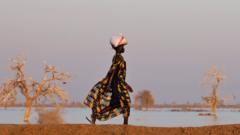
South Sudan's Unity State faces a troubling convergence of climate-driven flooding and oil pollution that jeopardizes the health and livelihoods of its residents. Herders in the region are drinking from murky ponds, fully aware that the water is tainted with oil-related chemicals. Chilhok Puot, a community chief, describes the water as dirty, while local woman Nyatabah recounts the detrimental effects it has on their health, saying it makes them cough and pant. With no alternatives, the community feels they are "dying of thirst."David Bojo Leju, a former oil engineer, blames the flooding and mismanaged oil facilities for this crisis. Over the past several years, extensive flooding—exacerbated by climate change—has submerged vast areas, turning the land into a wasteland where pollution from oil drilling seeps into crucial water sources. This unchecked contamination, he asserts, is a "silent killer" that endangers both people and livestock in Unity State, which has become a pivotal oil-producing region since South Sudan gained independence.Unity State has a history of seasonal flooding; however, unprecedented rainfall since 2019 has led to persistent water accumulation, leaving vast portions underwater. The United Nations World Food Programme reports that at the height of the flooding, two-thirds of Unity State was submerged, with around 40% still underwater today. With years of industrial neglect, pollution has spread from oil wells to groundwater, risking both human health and livestock. Bojo Leju recalls spills being handled inadequately and contaminated water being injected back into the environment without proper treatment, resulting in dangerously high pollution levels in nearby drinking sources.Local communities are gravely impacted, with many experiencing cattle deaths attributed to the dual threats of flooding and oil pollution. Reports of calves with severe deformities have conspired with narratives from locals who describe digestive ailments after consuming treated water. Nyakal, a mother foraging for charcoal near Roriak, explains that boiling the water still results in sickness.Health professionals in Bentiu, the state capital, express grave concerns over increasing birth defects possibly linked to contaminated water. With hospitals lacking adequate resources for genetic testing, doctors like Dr. Samuel Puot call for systematic data collection on congenital abnormalities. The correlation between oil pollution and these health issues, while anecdotal, is increasingly noted by environmental health experts.In response to the crisis, local politicians and activists urge greater accountability from the government and oil companies. Yet longstanding problems persist, exacerbated by a system lacking rigorous oversight and regulation. In the face of these challenges, many residents maintain a glimmer of hope for recovery after the floods recede, dreaming of a return to farming and livestock-raising practices that have sustained their communities for generations. As this crisis continues to unfold, professionals emphasize the necessity for urgent action and stronger governance to mitigate the repercussions of flooding and industrial pollution. Recovery for a clean environment and healthier communities hangs in the balance as both the climate and local industry evolve.