In brief
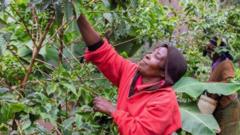
In the heart of Kenya's Rift Valley, small-scale coffee farmers, like Simon Macharia, are grappling with shrinking yields and soaring challenges attributed to climate change. These farmers cultivate the renowned Kenya AA coffee beans, praised for their exceptional quality and flavor. However, climate variations are disrupting the delicate conditions required for coffee cultivation.
Amidst this backdrop, farmers bring their bright red coffee cherries to local processing plants, where the labor-intensive journey from berry to cup begins. Yet, as adverse weather patterns and diseases increasingly threaten their crops, many farmers find their hard work isn’t reflected in their earnings. With daily wages often less than the price of a coffee in a European café, the financial strain is palpable. The situation is exacerbated by rising production costs due to the necessity for herbicides and insecticides linked to environmental and health concerns.As droughts and unpredictable weather patterns intensify, the coffee industry in Kenya, a vital source of employment for approximately 150,000 people, is at a critical juncture. Farmers are now adopting climate adaptation strategies, such as planting shade trees to protect their crops. However, despite these initiatives, many are disheartened about the future of coffee farming in Kenya, with sentiments echoing that this path might not be viable for the next generation.In an environment already fraught with challenges, farmers like Macharia and representatives like John Murigi urgently call for initiatives addressing both climate and economic pressures to secure a sustainable future for the coffee industry.In conclusion, if climate change continues to threaten coffee production, the legacy of Kenyan coffee may hang in the balance, affecting not only farmers but also global coffee enthusiasts who cherish its unique flavor.