In brief
The controversy surrounding popular YouTuber Ranveer Allahbadia, known as BeerBiceps, escalated after his inappropriate question on a show sparked outrage, leading to legal scrutiny and discussions about obscenity laws and censorship in India.
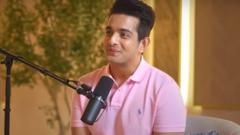
In a recent turn of events, the popular Indian YouTuber Ranveer Allahbadia, commonly known as BeerBiceps, has found himself at the center of a major controversy following comments made during an episode of the show "India's Got Latent." The incident, widely reported in Indian media, began on February 9 when Allahbadia posed a shocking hypothetical question to a contestant: "Would you rather watch your parents have sex every day for the rest of your life or join in once and stop it forever?" Following the airing of this episode, which reached a staggering eight million viewers, the backlash was swift and severe. The Supreme Court of India issued an interim protection against arrest for Allahbadia, describing his comments as "dirty" and "disgusting," a sentiment echoed by a large segment of the public. Police complaints were filed, and the YouTuber received death threats, prompting YouTube to swiftly remove the controversial episode. Despite Allahbadia and the show's creator, Samay Raina, issuing apologies, the incident has ignited a national conversation about artistic freedom and the implications of India’s obscenity laws. Critics argue that this situation reflects a growing trend of curtailing free speech, with some prominent figures—such as comedian Vir Das and opposition lawmaker Saket Gokhale—coming to his defense. They argue that while vulgar content can certainly be criticized, it should not lead to punitive action from the state.The controversy has also raised important questions regarding the responsibilities of digital content creators, as debates about the pressures to generate viral content clash with the boundaries of societal norms. Raina's show, which has often courted controversy with its crude humor, has been praised by some for its rawness but criticized for its misogynistic overtones. Interestingly, the question that ignited this uproar was strikingly similar to one posed in an Australian comedy show where it went unnoticed. Critics point out that cultural context plays a crucial role in how such content is received and highlight the dangers of ‘unthinkingly appropriating’ humorous content from different cultures. As debates continue over obscenity, expression, and the risks faced by content creators, proposals for stricter regulations on digital platforms are emerging. Many fear that the current situation may pave the way for further governmental oversight of digital content under the guise of protecting "moral sentiments." Advocates for free expression stress the need for reform rather than tighter restrictions, urging for a shift in focus toward educational initiatives rather than punitive measures for content creators as society continues to grapple with changing cultural norms in the digital age.