In brief
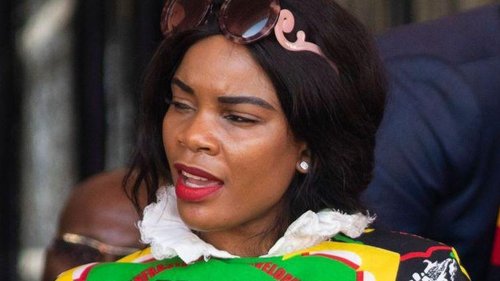
Senamile Masango, a pioneering force in science and an advocate for women in the field, has passed away at 37, leaving behind a legacy of empowerment and resilience.
South Africa is mourning the loss of a visionary leader in science, Senamile Masango, who tragically passed away at the age of 37, according to reports from the government. Known as South Africa’s first black female nuclear scientist, Masango was a symbol of hope and inspiration for many, especially young women aiming to break into the sciences. Her death on Sunday came as a shock, and the cause has not been disclosed. Deputy President Paul Mashatile described her as a "beacon of hope" and acknowledged the challenges she faced as a black woman in a predominantly male field, where she often had to assert her credibility. Masango’s commitment and passion for her work earned her immense respect, particularly after becoming the first African woman to join an African-led team at the renowned European Organization for Nuclear Research (CERN), the world's largest particle physics laboratory. The Department of Science, Technology and Innovation expressed their sentiments, stating that her dedication to promoting science education and empowerment, especially within women and marginalized communities, will be sorely missed. Born in 1987 in KwaZulu-Natal, a significant area in Zulu history, Masango's early life in a polygamous family shaped her resilience. Her love for learning was sparked at a young age, with a particular fascination ignited by her teacher's references to astronauts. Despite early setbacks, including a pregnancy that led her to temporarily leave university, she bounced back with her family's support to earn a degree in physics from the University of Zululand and an MSc in nuclear physics, graduating with distinction.In addition to her academic prowess, Masango founded an organization to inspire young women to pursue scientific careers, advocating for better support and educational structures for girls in these fields. Recognized as one of South Africa's most accomplished black women scientists under 35 in 2019 and a recipient of the International Women in Science Award in 2022, she rose to prominence despite the challenges of racial and gender discrimination.Masango openly discussed her struggles with misogynoir, emphasizing that her achievements came amid a systemic lack of faith in black women’s intellect. Despite these barriers, she remained dedicated to her mission of fostering a new generation of fearless and ambitious young female scientists. Her loss is a significant blow to the scientific community, but her legacy continues to inspire countless individuals in South Africa and beyond to pursue their dreams in science.