In brief
The Manitoba police have confirmed that human remains discovered in a landfill near Winnipeg belong to Morgan Beatrice Harris, an Indigenous woman and one of four victims of a convicted serial killer. The search drew political scrutiny amidst debates about the cost and risks involved, highlighting the ongoing plight of missing and murdered Indigenous women in Canada.
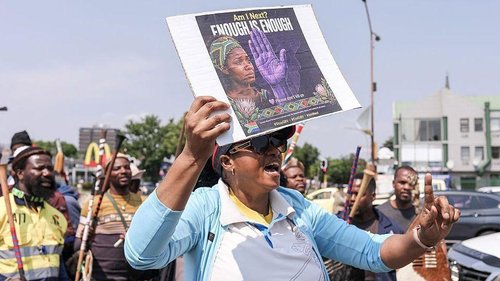
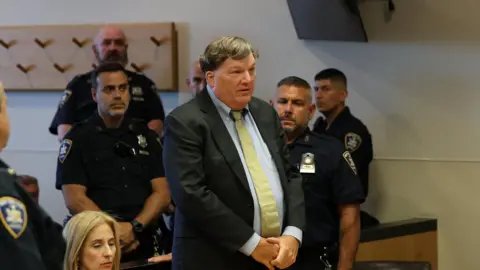
The police in Manitoba have officially identified human remains found in the Prairie Green landfill near Winnipeg as belonging to Morgan Beatrice Harris, one of four Indigenous women murdered by serial killer Jeremy Anthony Michael Skibicki. This revelation, announced earlier this week, marks a significant moment in the investigation and raises further discussions about the treatment of Indigenous communities in relation to crime and justice. Morgan Harris, 39, a member of the Long Plain First Nation, was killed alongside three other women between March and May 2022. Prior to this identification, the only victim confirmed was Rebecca Contois, 24, whose remains were discovered last year. Skibicki was sentenced to life in prison with no chance of parole for 25 years, having faced scrutiny for his far-right views expressed online.The other two victims include Marcedes Myran, 26, and an unidentified woman referred to by First Nations elders as Mashkode Bizhiki’ikwe, or Buffalo Woman. The decision to search the landfill was heavily debated during the 2023 provincial elections, becoming a focal point of contention between the defeated Progressive Conservative party and the now-governing New Democratic Party, led by Wab Kinew—Canada’s first Indigenous premier.During the campaign, the Progressive Conservatives opposed the landfill search, arguing over its financial implications and potential dangers for investigators. These comments drew criticism, especially when compared to earlier high-profile investigations, such as that of serial killer Robert Pickton in British Columbia, who targeted Indigenous women.The New Democratic Party had committed to searching the landfill, and officials recently announced that they had found “potential human remains” during their operation. Harris's daughter, Cabria, expressed the mixed emotions surrounding the identification of her mother's remains in a heartfelt social media post, asking for continued support for the families of victims.In the Manitoba Legislative Assembly, the Progressive Conservatives' interim leader, Wayne Ewasko, offered an apology for the party's prior stance against the search. However, Cabria expressed skepticism regarding the sincerity of the apology, demanding meaningful actions that go beyond mere words.As the search continues and more remains may be identified, the case has intensified discussions about the wider issues of violence against Indigenous women and the importance of rebuilding trust and support within affected communities.