In brief
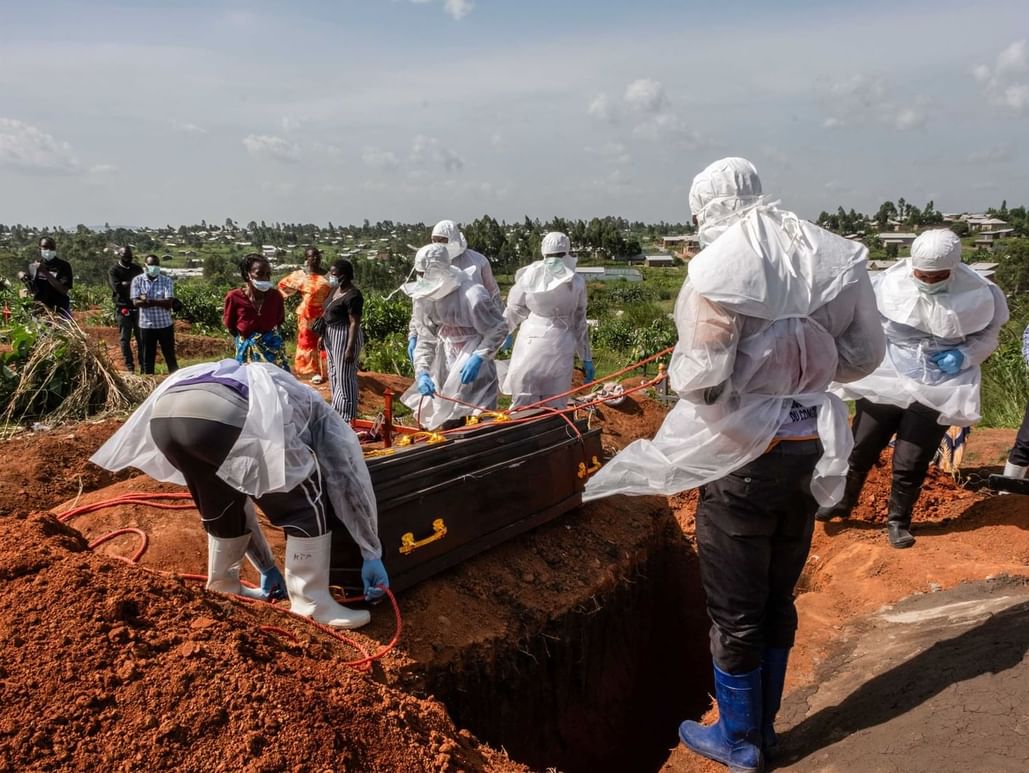
In the Democratic Republic of the Congo, the latest Ebola outbreak, caused by the rare Bundibugyo strain, has killed over 5,300 people and infected more than 10,000. The virus has spilled over into Kenya, Uganda, and Nigeria with no approved vaccines or therapies. Health authorities in the region are monitoring the spread while international agencies begin clinical trials of existing vaccines.
The Democratic Republic of the Congo has reached a death toll of more than 5,300 in its latest Ebola outbreak, the Africa Centres for Disease Control and Prevention (Africa CDC) said on Monday. The majority of deaths, 5,372, have occurred in DRC, with two in Kenya and two in Uganda, the agency noted.
All confirmed cases are attributed to the Bundibugyo strain of the virus, a rare variant that has spread rapidly since the outbreak was declared its 17th and largest by DRC health authorities in mid‑May. The virus has already infected some 10,444 people in the DRC, Uganda, and Kenya, according to Africa CDC data, giving the outbreak a fatality rate of more than 50 percent.
Cross‑border spread and neighbouring cases
Uganda recorded 20 cases, most of them people who had travelled from the DRC, before declaring an Ebola‑free status in August. It later reported two deaths and nine infections in October, the first fatal cases in the country. Kenya’s first recorded Ebola cases were announced in October, with two deaths and nine infections reported that month.
In Nigeria, Africa’s most populous country, health authorities reported that two suspected cases in the northeast region tested negative after two rounds of testing. Abuja had its first imported case in October, the first in more than a decade, but no deaths have been recorded there. France reported a single case involving a health worker returning from the DRC in July.
An independent source, Euronews, summarized that the outbreak had infected over 10,000 people since May and had spread to Kenya, Uganda and Nigeria. The summary also noted that the outbreak was the fastest‑growing on record.
The Bundibugyo strain has no approved treatment or vaccine. In recent weeks, clinical trials have begun with the Ervebo vaccine, which is effective against the more common Zaire strain but has not yet been tested on Bundibugyo.
As the epidemic continues, international agencies and local health ministries are monitoring the situation closely, queuing for additional support to manage the high fatality rate and prevent further cross‑border spread.