In brief
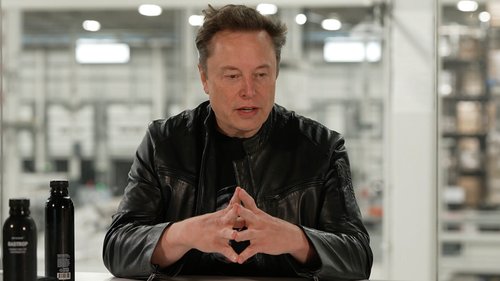
Elon Musk's focus on politics, particularly his role as a cost-cutting adviser to President Trump, is drawing criticism as Tesla witnesses a dip in sales, with no clear plan for recovery in sight.
Elon Musk’s recent political engagement as a chief adviser to President Trump is sparking concerns over his commitment to Tesla, especially in light of a challenging sales environment for the electric car company. Despite a booming global market for electric vehicles, Tesla experienced a 1 percent drop in sales last year. Analysts are noting the disconnect between Musk’s political distractions and Tesla's declining performance, as he has failed to articulate a strategy to stimulate sales or provide details on the anticipated launch of a more affordable vehicle.While Musk's past approach involved extensive promotion of upcoming models, his current absence from Tesla's Austin headquarters and factories has raised eyebrows among investors and analysts. His heavy involvement with other ventures, including SpaceX, X (formerly Twitter), and aAI, further complicates perceptions of his attention to Tesla's core automotive business.In a decade marked by remarkable growth, Tesla transformed from a struggling startup to a leader reshaping the automotive landscape, compelling traditional manufacturers to invest significantly to keep pace. However, Musk's apparent shift in focus could jeopardize not only Tesla's future but also the broader auto industry, which relies on its competition and innovation.As Musk manages multiple ambitious projects and seeks to expand ambitions—like colonizing Mars—stakeholders are left wondering whether his divided priorities might hinder Tesla’s potential to reclaim its growth trajectory. Investors and corporate governance experts are increasingly questioning whether Musk's myriad responsibilities might be detracting from his ability to steer Tesla back to prominence in the electric vehicle market.