In brief
Last weekend saw unprecedented public disorder in France, with riots that shattered shops, injured police, and forced Prime Minister Lecornu to call a crisis cabinet. President Macron addressed the nation, urging unity but offering few concrete measures. The unrest raises questions about accountability, security for upcoming demonstrations, and the ability of the current administration to curb growing social tensions. Political leaders, from Macron’s allies to opposition parties, blur side‑by‑side blame, while the country braces for further protests as the election campaign starts to heat up.
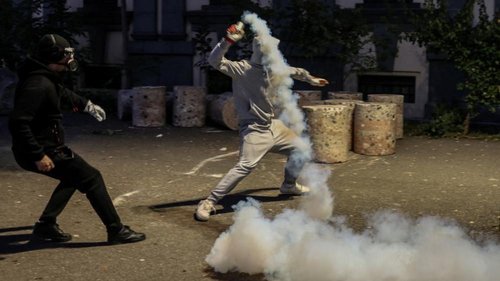
On Monday Prime Minister Sébastien Lecornu convened a crisis cabinet to assess the week‑long wave of rioting that swept France, leaving an estimated 1,500 shops and businesses looted and 1,000 police officers wounded, seven severely.
The violence erupted after a massive, mostly peaceful demonstration against rising living costs and crumbling public services turned violent when black‑clad, masked activists and vandals appeared, forcing riot police to deploy tear gas and water cannons.
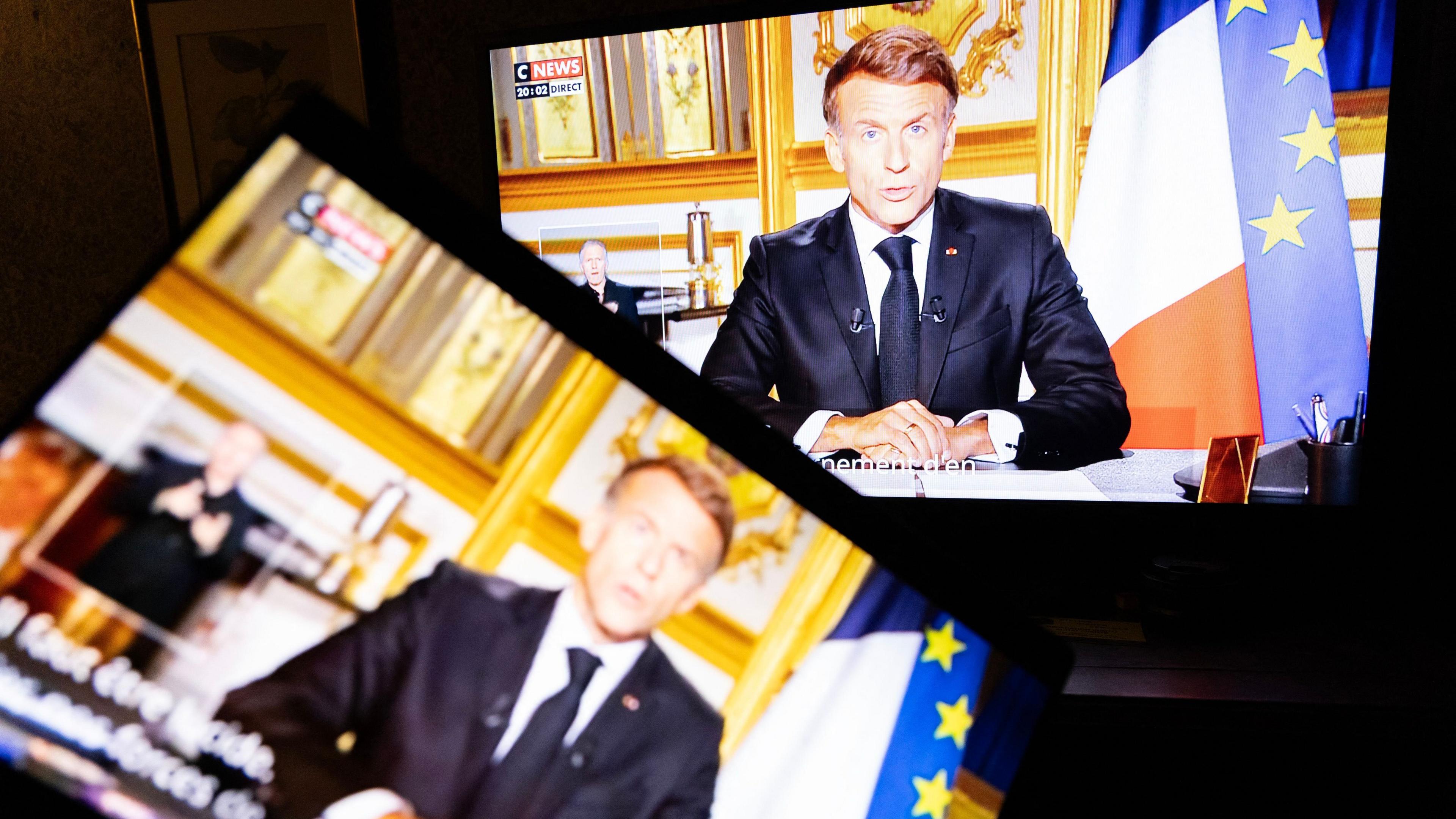
Macron’s televised address on Sunday called for national unity and promised that perpetrators would be punished, but critics say the speech lacks concrete detail and stirs more frustration than reassurance.
Key political questions remain: How will rioters be held accountable? How will towns, especially in Paris, be protected against future unrest, given that new nationwide protests have been announced for the coming weeks? How will damaged businesses receive compensation? When will dialogue resume with student and teacher groups over education?
Observers note that France’s political scene is highly fragmented, with a tense parliament, a looming presidential election, and competing far‑right and far‑left candidates, creating a backdrop of uncertainty as the nation manages the fallout from the riots.