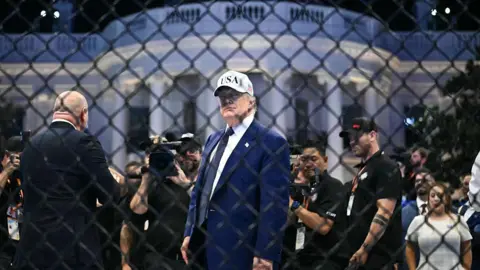
In a stunning turn of events, Donald Trump is on the verge of reclaiming his position at the White House, marking what many are calling the most incredible political comeback in United States history. Four years after his controversial departure, millions of Americans have voted to give him another chance, making this election campaign one for the history books. With still many votes yet to be tallied, it is clear that key battleground states have rallied behind Trump, with a significant number of voters pointing to the economy and immigration as critical factors influencing their decisions.
This remarkable resurgence comes after a steep decline from power. Trump's refusal to accept the results of the 2020 election—lost to current President Joe Biden—continues to be the focus of legal scrutiny, particularly regarding his involvement in efforts to overturn those results. He now faces criminal charges related to his alleged incitement of the violent Capitol riots on January 6, 2021, as well as a felony conviction for falsifying business records.
During his vigorous campaign, Trump embraced provocative and controversial rhetoric, galvanizing his supporters even as many expressed concern over his brashness. While countless voters criticized his communication style, they ultimately gravitated towards his central campaign theme: "Are you better off now than you were two years ago?" Many voters expressed a sense of discontent with economic conditions under the Biden administration, attributing inflation--largely influenced by the pandemic--to the government's policies.
Concerns about rampant illegal immigration also played a significant role in Trump's appeal, as many voters sought stricter border enforcement measures. The phrase "America First" resonated across political spectrums, as citizens expressed frustration over U.S. financial aid to foreign entities such as Ukraine while neglecting domestic issues.
In a twist of fate, Trump's status as an incumbent candidate—once perceived as the ultimate outsider in 2016—has brought about a different landscape in 2024. Unlike his first term when seasoned advisers challenged him, he appears poised to create a more insular and loyal administration, raising alarms among critics regarding future governance and potential extremism.
The legal ramifications of Trump's past actions loom large. Although he has faced multiple criminal charges, a recent Supreme Court ruling may complicate efforts to prosecute him for his actions while in office. Should he reclaim the presidency, Trump would likely possess the ability to direct the Justice Department to dismiss federal charges against him, thus sidestepping potential jail time.
As he prepares for his anticipated return, the electorate is torn between divergent visions of America. Trump has framed America as a nation in decline that only he can restore, while his opponents, including Vice President Kamala Harris, have warned of dire threats against American democracy itself. The questions that linger include how much of Trump's rhetoric was mere hyperbole versus a preview of policies to come.
On a global scale, Trump's second term raises pressing questions regarding international relations and economic impacts, particularly with proposed tariffs and military engagements. As he embarks on this new chapter in his career, both the American public and the international community remain alert to the implications of Trump's policies on the world stage.