In brief
In a shocking move, the Trump administration has fired hundreds of U.S.A.I.D. employees responsible for handling critical humanitarian assistance, leading to questions about the agency's future and Secretary of State Marco Rubio's commitment to aid efforts.
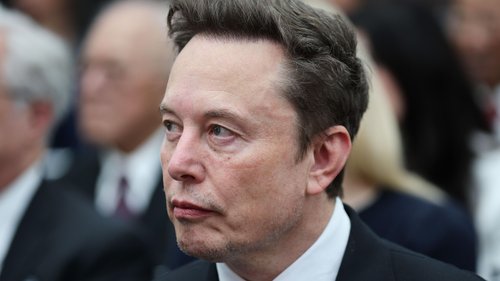
The Trump administration's leadership at the United States Agency for International Development (U.S.A.I.D.) has taken a drastic turn as it recently dismissed hundreds of staff members dedicated to vital humanitarian relief work worldwide. This wave of firings has raised alarms over the potential impact on humanitarian projects and suggested a troubling direction for Secretary of State Marco Rubio's planned support of lifesaving efforts.Reports from multiple U.S. officials and recent employees within U.S.A.I.D. indicate that this mass layoff occurred amid a chilling atmosphere, compounded by a previous freeze on foreign aid initiated by the agency. Many employees reportedly received abrupt termination emails that lacked individualized details, leading to further frustration among the workforce.The agency has already faced significant staffing cuts, with thousands of its personnel reportedly affected since Trump's presidency began. Moreover, a task force, allegedly organized by tech entrepreneur Elon Musk, has disrupted operational systems within U.S.A.I.D., hindering staff's access to their work accounts and communications.A particularly harrowing aspect of this firing spree is the dismissal of 36 individuals involved in the Office of Transition Initiatives, a crucial unit focused on facilitating political transitions and fostering democratic governance in partner nations. As the full implications of this tumultuous restructuring unfold, questions loom large about the future of U.S.A.I.D.'s role and effectiveness in addressing urgent global humanitarian needs.