In brief
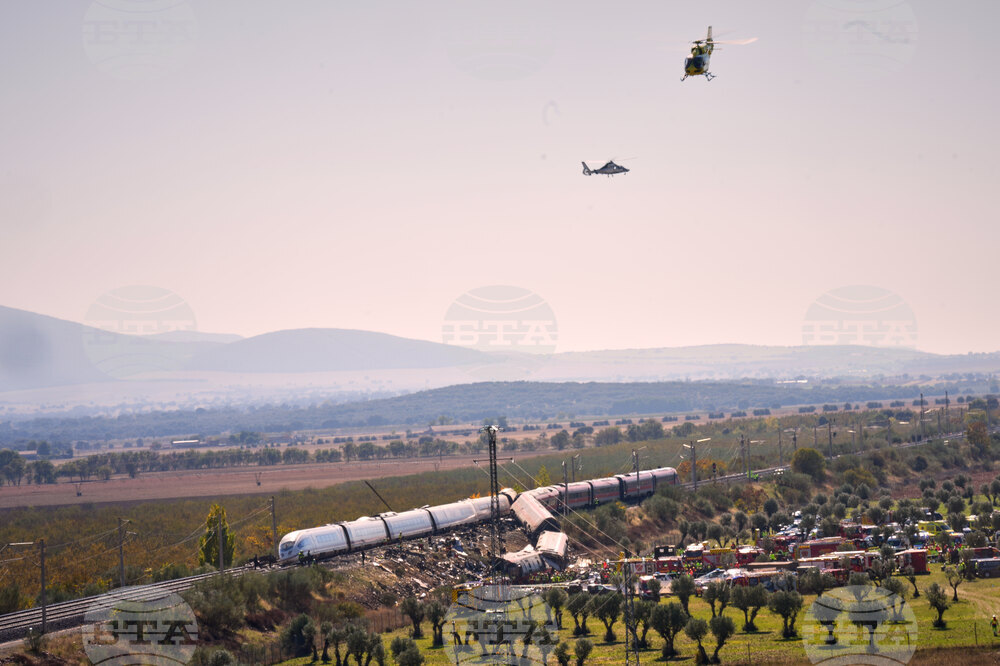
A train crash in Spain has resulted in at least 46 deaths. The incident was reported by Xinhua, which said that details about the site and cause were still unknown. Authorities will investigate as more information becomes available.
At least 46 people have lost their lives in a train collision in Spain, according to a flash report from Xinhua. The report was issued on October 28, 2026, at 17:38 UTC, and it did not provide any further information about the exact place or the circumstances that brought the accident.
The Xinhua statement was brief and announced only the death toll. No mention was made of injuries, missing persons, or whether the collision involved more than two trains.
Because no coroner’s details or accident investigation data were released, the Spanish transport authorities have not yet issued a statement. They are expected to issue an update once the findings of a preliminary inquiry become available.
Spain’s rail network, which stretches across the country, has long been a key element of the nation’s infrastructure. In recent years, the government reported a notable decline in rail accidents after new safety protocols were introduced, yet trains still carry millions of passengers each year.
Train collisions of any size typically trigger emergency response teams, including medical staff and rescue vehicles. In the hours following a crash, first responders usually conduct triage, stabilize victims, and secure the scene while investigators gather video footage and witness accounts.
Officials in nearby communities expressed shock and grief over the sudden loss of life. Local leaders called for a swift and thorough investigation, citing past incidents in which delayed information hampered relief efforts.
In other regions of the world, media outlets have stressed the importance of transparent reporting in the immediate aftermath of rail disasters. The absence of details can fuel speculation and hinder public confidence in transport safety.
The Spanish Ministry of Transport has a list of protocols for handling train accidents, which includes notifying the national emergency hotline and coordinating with civil defense units. The ministry’s website may update the public on the investigation once a more complete picture emerges.
Historically, major train accidents in Spain have prompted legislative reviews and gear upgrades. A notable case from 2000 prompted the adoption of automatic train control systems in select regions. Although no technical failures were reported in this collision yet, authorities are expected to examine whether infrastructure shortcomings contributed to the tragedy.
Pending the official investigation, the European Union’s rail safety agency has urged Member States to ensure compliance with shared safety standards. The EU’s list of essential safety measures is posted on its transport policy portal, and it includes regular inspections of signalling devices.
As more details are released, international media will likely report on the correlation between the accident and broader rail safety trends. Xinhua will continue to provide updates as they become available, though no circumstances or theories have yet emerged to explain why the collision occurred.