In brief
Amid growing political violence in the U.S., Governor Spencer Cox reflects on the disintegration of national unity following the public killing of political activist Charlie Kirk. His poignant acknowledgment of violence affecting both sides of the political spectrum raises urgent questions about America's future and the potential for healing a divided society.
Utah Governor Spencer Cox found himself grasping for words to encapsulate a question echoing across America: What is happening to our nation?
After a prolonged silence, he declared, Our nation is broken, in the wake of the shocking public killing of political figure Charlie Kirk. He outlined violent episodes targeting figures from both major political parties, including the tragic deaths of Minnesota lawmaker Melissa Hortman and threats against President Donald Trump.
The starkness of his remarks underscored a growing acknowledgment that violence transcends political affiliations and has fragmented American society.
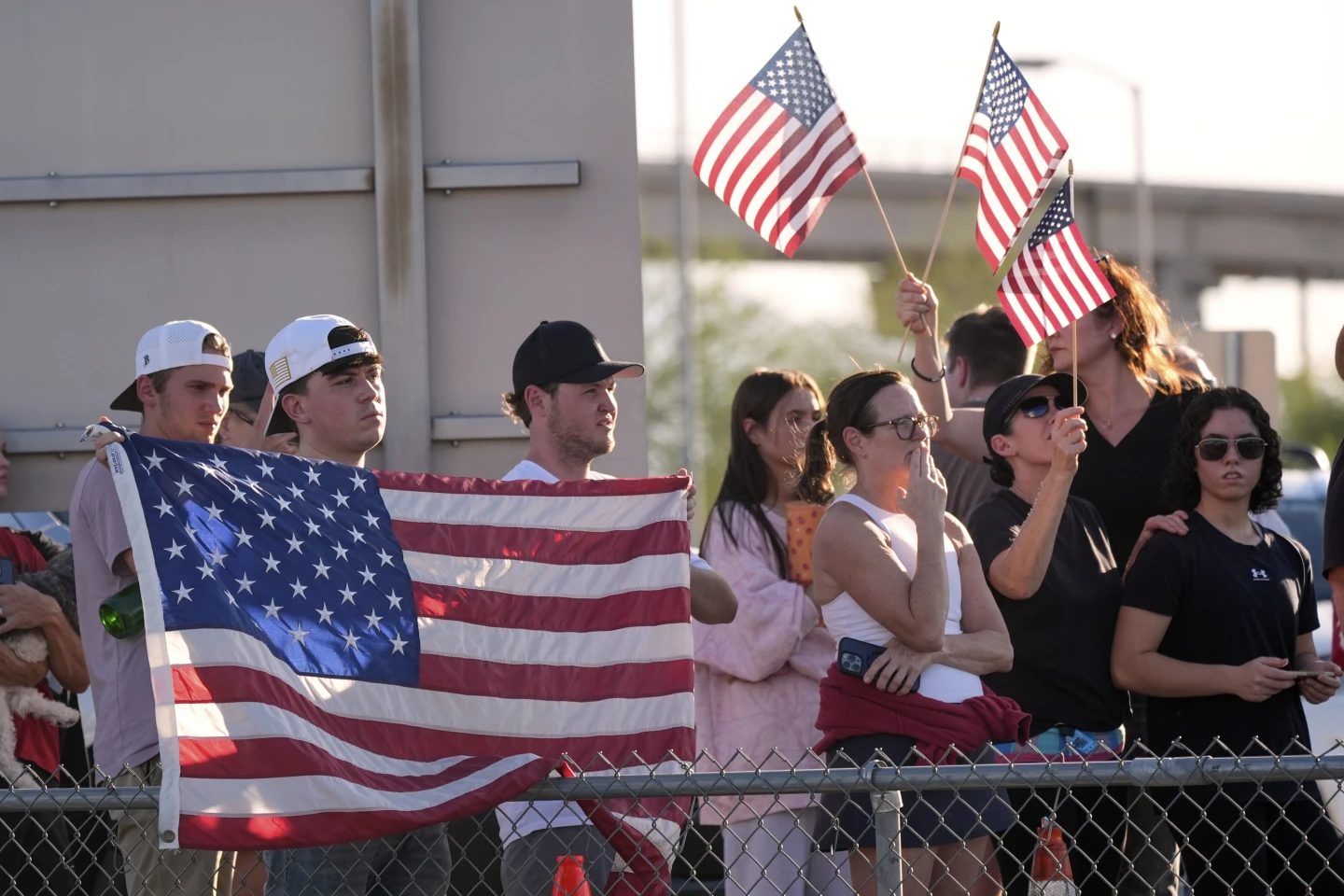
In recent years, Americans have witnessed an unsettling series of political violence incidents, ranging from assassinations to violent protests. These events have led many to question whether unity is achievable in a country riddled with division.
“Nothing I say can unite us as a country,” Cox lamented. “Nothing I can say right now will fix what is broken.”
A Troubled Nation
Across the political landscape, a sense of collective discontent is pervasive. Conservatives and liberals alike express frustrations over ideological rifts, escalating anger, and a fundamental lack of civility. This disillusionment appears to be one of the few sentiments uniting Americans today.
There is a shared yearning among many for reconciliation; however, identifying the causes of strife and determining responsibility complicates this desire for unity.
Individuals can choose to view current events through various lenses—some see infringement of rights, while others think of enforcement of laws as necessary to restore order. Charlie Kirk, hailed as a passionate advocate for conservatism and the youth, has evoked mixed reactions following his death, as some portray him as a martyr while others suggest that his rhetoric played a role in the violence he faced.
Governor Cox, with hopes of Kirk's death fostering unity, faces a stark reality: such tragedies often serve only to deepen existing divides.
A Divided Society, Varied Reactions
In the immediate aftermath of Kirk’s assassination, officials across the political spectrum expressed their sentiments with caution, highlighting universal condemnation of political violence. Yet, underlying anger soon surfaced, with right-wing figures framing Kirk's death as a martyrdom spurred by leftist extremism.
Contrastingly, many on the left, while condemning violence, struggled to celebrate or sympathize with Kirk, pointing to his past incendiary comments as a contributor to the culture of violence.
Political Ramifications
In this turmoil, leaders have the responsibility to guide their constituents towards civility and understanding. Unlike Trump, former Presidents Biden and Obama carefully navigated their responses, emphasizing unity and reflection.
Cox, a Republican thrust into the spotlight by this tragedy, pondered the essence of American values and the path forward, questioning whether a nation built on the principles of freedom and respect could endure such challenges.