In brief
The construction of the Yarlung Tsangpo dam, set to be the world's largest hydropower facility, has sparked significant environmental and human rights concerns among local communities and across borders.
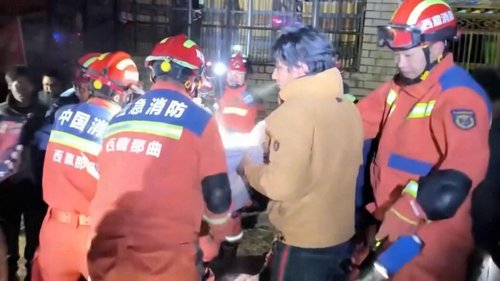
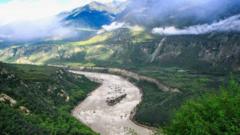
China has greenlit plans for the Yarlung Tsangpo dam, aiming to create the world's largest hydropower facility, located in Tibet. This monumental project, anticipated to generate three times more energy than the current record-holder, the Three Gorges Dam, has elicited a mix of optimism and concern. While Chinese state media emphasizes the project’s ecological safeguards and its potential to foster local prosperity and advance China's climate goals, human rights advocates warn of severe implications for the local Tibetan population, including potential displacement and ecological disruption.Critics express fears over the socio-environmental effects, with a history of Tibetan dissent against similar developments met with state repression. Protests earlier this year against another dam initiative resulted in violent crackdowns, raising alarms over human rights violations in a region under tight Chinese control since its annexation in the 1950s. Reports suggest that the ambitious Yarlung Tsangpo project will involve extensive excavation through mountainous terrain, including four long tunnels, potentially altering local ecosystems and river dynamics. Environmental experts indicate that the dam may empower China to control river flow downstream, impacting communities in India and Bangladesh. India's government, responding to these concerns, is reportedly exploring its own substantial hydropower projects to offset the ramifications of Chinese developments.The Yarlung Tsangpo river, flowing through the world's deepest canyon, presents both immense energy potential and significant engineering challenges due to its steep geography and earthquake-prone location. Analysts estimate the project's cost may soar to around $127 billion, amidst warnings that seismic activities could exacerbate the risks of landslides during construction. As China continues to invest heavily in renewable energy infrastructure, the global community watches closely, questioning the balance between energy advancement and human rights.