In brief
After the United States First Lady Melania Trump announced plans to broker peace, a truce jumpstarted in the contested Ukrainian city of Oleshky. Russian forces halted shelling of Kherson in the early hours, creating a window for humanitarian aid and escape for residents. Ukraine’s human‑rights commissioner confirmed the ceasefire’s activation and pledged to honor its commitments. The operation aims to ease the hardship of the remaining 6,000 inhabitants and 200 children left behind by the war. The White House has highlighted the role of civilian leaders in coordinating relief with Russian counterparts.
Truce in Oleshky follows Melania Trump’s intervention
In a development that underscores the evolving role of civilian diplomacy amid the Russia‑Ukraine conflict, a ceasefire began in the Russian‑occupied city of Oleshky after U.S. First Lady Melania Trump publicly declared her commitment to negotiate a humanitarian pause.
The Russian Defence Ministry posted on Telegram that it had stopped firing at the Ukrainian city of Kherson—situated on the western bank of the Dnieper—at 04:00 Moscow time (01:00 GMT). This cessation was a pre‑condition for a coordinated relief effort aimed at delivering essential supplies and evacuating civilians already trapped between Ukrainian positions and occupying forces.
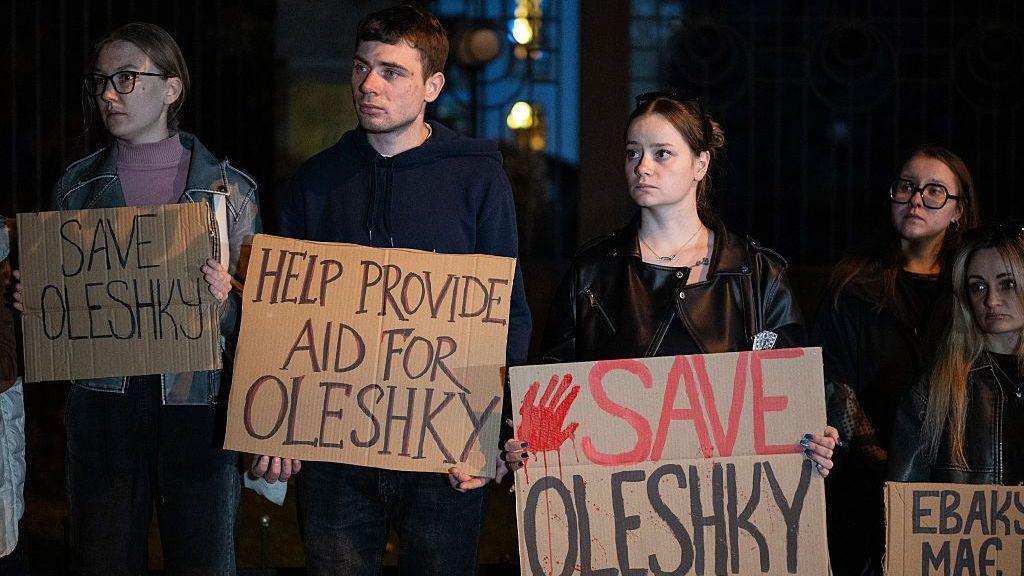
Oleshky sits on the south bank of the Dnipro River, which now forms the frontline in the Kherson region. Prior to the ceasefire, residents—some 6,000 of the pre‑war population of 24,000—were facing acute shortages of food, medicine and basic necessities.
Dmytro Lubinets, Ukraine’s parliamentary commissioner for human rights, announced on Facebook that the truce was in force and affirmed that the Ukrainian side would honour all agreed commitments. He highlighted the importance of continued civilian‑led engagement in ensuring that aid reaches the affected population.
The White House reiterated that the ceasefire was secured with Melania Trump’s involvement, noting that “non‑military, civilian leaders from both countries will work together to visit Oleshky residents in their homes and determine the level of assistance they require.” Her prior engagement, including a letter to Vladimir Putin urging protection of children, indicates a growing trend of First Ladies stepping into roles of humanitarian mediation.
For the residents of Oleshky, the ceasefire offers a glimmer of relief in a city that has been shelled relentlessly since the full‑scale invasion began in February 2022. Should the pause hold, it could form the basis for longer‑term negotiations and a broader recalibration of the front line in the region.