In brief
As the situation in Syria intensifies following a series of attacks, the White Helmets ignited hope by providing emergency assistance to victims, regardless of their affiliations. Their operations reflect a dedication to humanitarian principles amidst a backdrop of revenge killings and sectarian tensions.
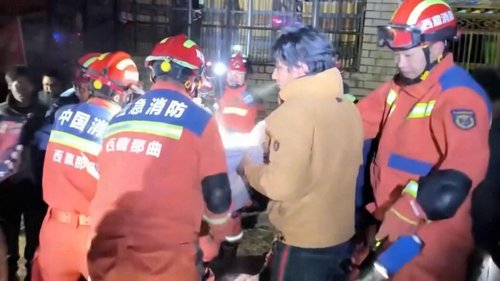
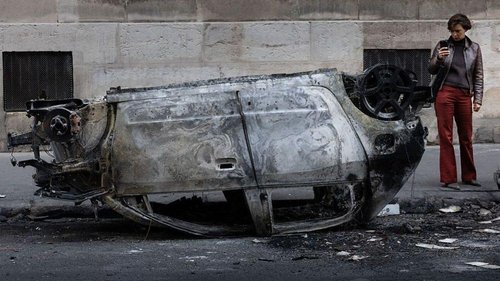
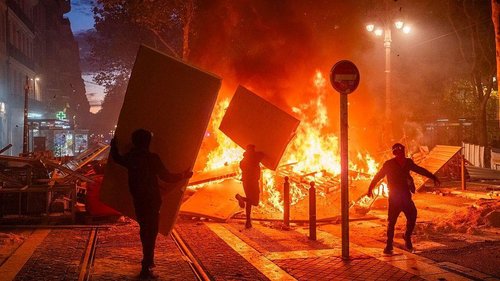
In the wake of escalating violence in Syria's coastal regions, the volunteer rescuers known as the White Helmets have been tirelessly responding to emergencies, offering aid without discrimination. With allegations of mass civilian killings surfacing, the group's commitment to saving lives has become more crucial than ever. Operating in regions previously held by opposition forces, they have developed a reputation as devoted humanitarian responders.The recent outbreak of violence reportedly involved revenge attacks aimed predominantly at Alawites, the sect aligned with former President Bashar al-Assad. Abdulkafi Kayal, head of operations for the White Helmets in the coastal province, emphasized their stance: "When we go to rescue someone in need, we don't ask them about their religion or political opinion... Our mandate is to help those in need." This philosophy guides their actions as they navigate the troubling landscape of sectarian conflict.In recent days, White Helmet teams were engaged in approximately 30 emergency calls daily, retrieving over 100 bodies in response to the violence. The tragic occurrences were compounded by the government's former branding of the White Helmets as terrorists, despite their international acclaim for lifesaving work. Kayal reiterated, "It is our homeland, and we consider ourselves as an umbrella to serve all Syrians."The tumult began when supporters of Assad killed 14 interior ministry troops, igniting a cycle of retaliatory violence that has left more than 1,400 civilians dead in several provinces, as reported by the Syrian Observatory for Human Rights. Although the new regime claims to be impartial, families are recounting harrowing tales of loss. One man, Maen, shared that security forces had killed his son, mourning the loss of his 20-year-old in the volatile aftermath of the government's transition.Al-Sharaa, the interim president, has pledged to investigate these killings, urging accountability to prevent a full-blown civil war. Yet trust hangs in the balance, and safeguarding the Alawite community is critical for establishing a unified future in Syria. As the White Helmets continue their vital operations, they remain a symbol of hope and resilience amid a fractured nation striving for peace.