In brief
This two-day, 5km journey symbolizes a significant effort to relocate the city’s infrastructure in response to environmental challenges.
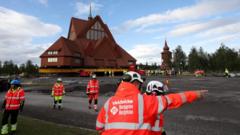
A church that has stood in Kiruna for over a century is now in the process of being relocated, a project that captures both the community's spirit and the challenges posed by iron ore mining in the area. The towering red timber church, which first opened its doors in 1912, is being moved in one piece due to the risk of ground subsidence affecting the old city center. For the next two days, the church will travel a maximum speed of 500 meters per hour on specially designed rolling platforms. It is a historical moment for the residents, as the move marks not only a physical relocation but an emotional endeavor for a structure that has been a spiritual hub for the community.As Sofia Lagerlöf Määttä, a local cultural strategist, put it, "it’s like finally, let’s get it done." The church’s move is part of a broader effort to shift buildings in Kiruna to safer ground due to ground fissures caused by decades of mining. LKAB, the iron ore mine’s operator and the city’s largest employer, is financing the move, which is projected to cost over 10 billion Swedish krona (around $1 billion).The logistical challenge of moving the church, with its dimensions of 35 meters high, 40 meters wide, and weighing 672 tonnes, cannot be understated. Engineers opted for moving it intact rather than dismantling it, leading to extensive preparations including road widenings and the removal of obstacles along the route. Some of the church's interior treasures, such as its intricate altar painting and the large organ, will remain safely in place during the move, covered and secured.Local residents share a strong sense of nostalgia and emotional connection to the church. Vicar Lena Tjärnberg expressed mixed feelings, acknowledging both the necessity of the move and the sorrow of leaving behind the church’s original site. As the church inches forward towards its new location, thousands of eager onlookers including Sweden's King Carl Gustaf are expected to witness this unique historical event live as part of a special broadcast.As this architectural landmark embarks on its new journey, it signifies not just an adaptation to natural challenges but also the resilience of community traditions and identities amidst change.