Zelensky Faces Polish Strain Over Naming Military Unit After WWII Insurgent Group
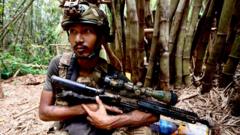
Ukraine’s president, Volodymyr Zelensky, has pulled a Polish gas‑lighting button with a decree that names a special forces unit after the Ukrainian Insurgent Army (UPA). While the UPA is lionised in Kyiv as a symbol of resistance against Soviet and Nazi occupiers, Warsaw condemns the group for massacres of ethnic Poles in the Volhynia region during 1943‑45.
Polish President Karol Nawrocki said on Thursday he will decide whether to revoke Zelensky’s 2023 Order of the White Eagle, the highest state honour, “in due course”. He has already convened the Order’s council and made it clear that the naming of the unit was an act of “glorification of bandits and killers.”
The incident sparked outrage across Poland’s political spectrum, including the far‑right Confederation and the Law and Justice party. Those groups have demanded that Poland stop funding Ukraine’s Starlink satellite services, block Ukraine’s EU accession until the decree is reversed, and called for a crackdown on what they see as Ukraine’s disloyalty to the European family.
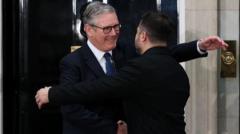
Prime Minister Donald Tusk urged the two leaders to find “a direct and honest conversation” before the spat escalates. Tusk himself said the airport in Rzeszów is not closed to Zelensky and that Poland will not dictate how the Ukrainian head of state travels.
Zelensky’s chief of staff, Kyrylo Budanov, flew to Warsaw earlier this week in a diplomatic mission that appeared to have failed. Following his visit, Nawrocki held a council meeting to further discuss revoking the order. Tusk admitted that “diplomacy has yielded no results.”
The crisis could damage Poland’s ability to host the upcoming conference on Ukraine’s post‑war reconstruction and fuel right‑wing sentiment that has grown wary of Russia‑friendly Ukraine. A revocation of the order would also require endorsement from the Polish Prime Minister and could have serious repercussions for both countries.
The UPA’s legacy remains contested. For Ukrainians, the group’s fighters are viewed as defenders of national independence; for Poles, the number of ethnic Poles killed in Volhynia is estimated at roughly 100,000. The naming of a modern military unit after the UPA touches on historical memory, national identity, and present‑day geopolitical alliances.
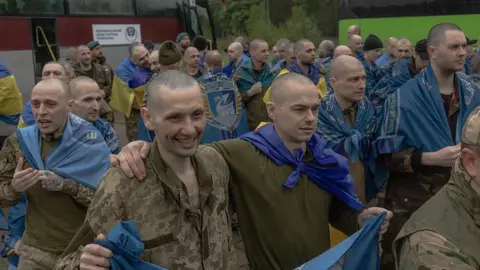
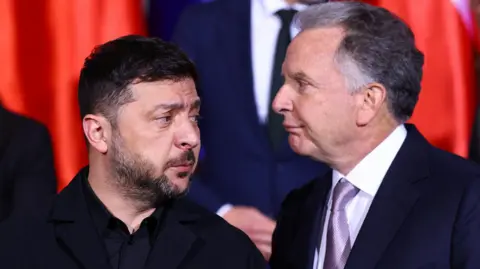
Images capture the intensity of the debate: a Reuters photograph of two men laughing while soldiers stand to attention and a Getty image of a remembrance statue at the National Day of Remembrance of the Polish Republic in 2022.