In brief
As Poland gears up for its much-anticipated presidential election on Sunday, a fierce contest is expected to unfold between two leading candidates: Warsaw's liberal mayor Rafal Trzaskowski and the national-conservative historian Karol Nawrocki. Polls indicate that neither candidate will secure the required majority in the first round, potentially setting the stage for a decisive run-off on June 1. Both candidates represent the long-established political factions that have shaped Polish governance for the past two decades, leading many frustrated voters to seek change.
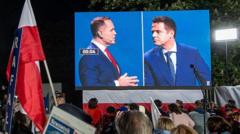
Trzaskowski, the frontrunner, currently serves as the deputy leader of the Civic Platform (PO) party under Prime Minister Donald Tusk, who recently reclaimed power after years of rule by the Law and Justice party (PiS). Nawrocki, trailing in the polls with between 4%-6% less support, represents the PiS party. The president holds significant veto power over government measures, making this election particularly critical for future legislation. With outgoing President Andrzej Duda stepping down after his two terms, the dynamics of Polish politics are ripe for evolution.International observers have framed Tusk's return to power as a restoration of liberal democratic values following a period of perceived authoritarianism under PiS. However, both Tusk and his coalition have faced criticism for failing to fully deliver on key reform promises, particularly on women's rights and immigration policies. Amidst rising discontent, many voters express disappointment over how little has changed.As the campaign heats up, tensions between the candidates are evident, especially concerning social issues like LGBTQ+ rights and migration. During a recent debate, Nawrocki challenged Trzaskowski’s stance on these topics, highlighting the contrasts within their political platforms. Many observers believe the election could signal a pivotal shift in Poland's political landscape, increasingly characterized by voter fatigue with the longstanding dominance of PiS and PO.Looking ahead, both candidates are feeling the pressure, as less-traditional options and voices also gain traction. Activists, civil servants, and everyday citizens are voicing their hopes for a political climate that fosters genuine dialogue and reduces polarization, underscoring a growing demand for accountability from all sides.