In brief
The Cockroach Janta Party (CJP) ignited a nationwide youth movement after repeated exam paper leaks threatened the integrity of India’s crucial educational exams. Tens of thousands marched on the Parliament on Monday, with police using tear gas, while the movement called for a resignation of the Education Minister and fast‑track courts to punish leak perpetrators. Unlike prior protests that were driven by ideology or a specific policy, the CJP emphasizes administrative failure, touching students across caste, class and gender lines. Political experts note the protest’s digital reach translating into a mass turnout, posing a new test of the BJP’s governance image. Prime Minister Narendra Modi and top BJP leaders have responded, pledging stricter measures, but the movement continues to grow, reflecting deeper economic dissatisfaction and a demand for a new kind of politics focused on delivery rather than slogans.
The youth of India are questioning the integrity of their future. After a spate of exam paper leaks, many assume that if a country’s key exams can be undermined, its governance is compromised.
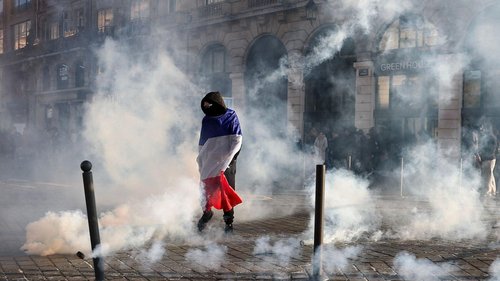
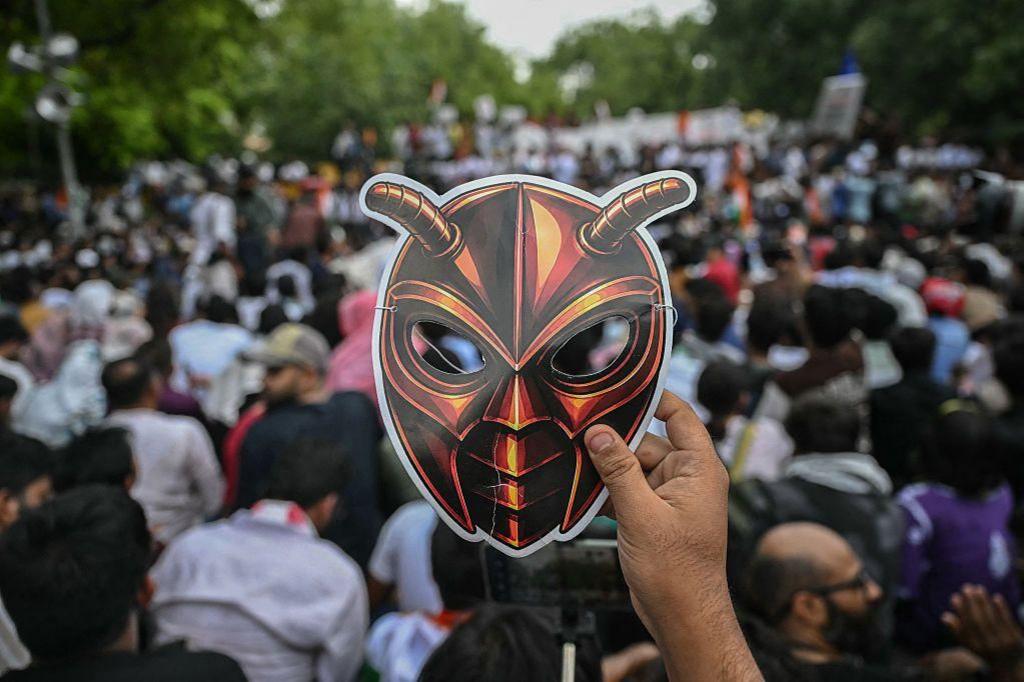
On Monday, tens of thousands of men and women converged on Jantar Mantar. Police deployed tear gas and baton charges, yet the crowd marched on the Parliament, a move that echoed the 2011 anti‑corruption wave in scale and energy.
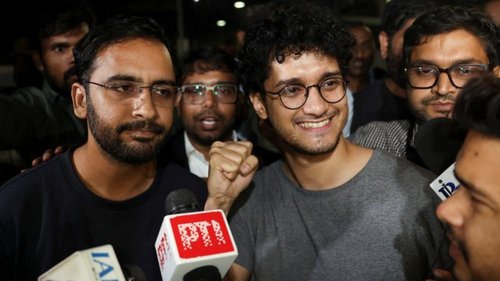
Born from irritation at repeated leaks, the Cockroach Janta Party (CJP) is a youth‑led protest demanding the resignation of Education Minister Dharmendra Pradhan and the establishment of fast‑track courts. Sonam Wangchuk, an engineer and former chair of a student‑run organisation, led a 26‑day hunger strike, losing 11 kg.
The movement is not about ideology; it calls a wider administrative failure: the state’s inability to conduct exams fairly. Politicians in the opposition are suggesting that a failure of governance, not policy, has finally hit the BJP when students, who span caste and class, rally together.
Analysts say the digital momentum has paid off. Rahul Verma, from the Centre for Policy Research, points out that if the BJP wants to keep its grip, it must change strategy. But many protestors are not “natural” BJP opponents – they are aspirational young Indians hoping a fair exam can lift them out of poverty.
Prime Minister Narendra Modi addressed the protest on X, pledging to introduce fast‑track courts to punish those behind the paper leaks. Yet students and the CJP remain wary, saying the outcome will be judged by how seriously the government acts on their demands.
Economic anxieties, a sluggish job market and a sense that government promises are slipping have amplified discontent. The protest signals that the hunger for social mobility, coupled with a demand for accountability, could reshape Indian politics beyond election cycles.
Whether the movement will sustain momentum remains unclear, but its emergence demonstrates a powerful new form of protest rooted in governance, not ideology. Only time will reveal if this is a fleeting flare or the start of a larger, more enduring youth‑led push for change in India.