In brief
Education activist Sonam Wangchuk, who undertook a 26‑day hunger strike in Delhi, credits the surge of youth protests with weakening Prime Minister Narendra Modi’s political dominance. The demonstrations, sparked by leaked exam papers, pushed the government to resign the education minister and launch reforms. Wangchuk argues that the movement has empowered young voters and may shift future policy directions. While Modi’s cabinet still faces pressure, the protests underscore a growing demand for systemic change in India’s education and employment policies.
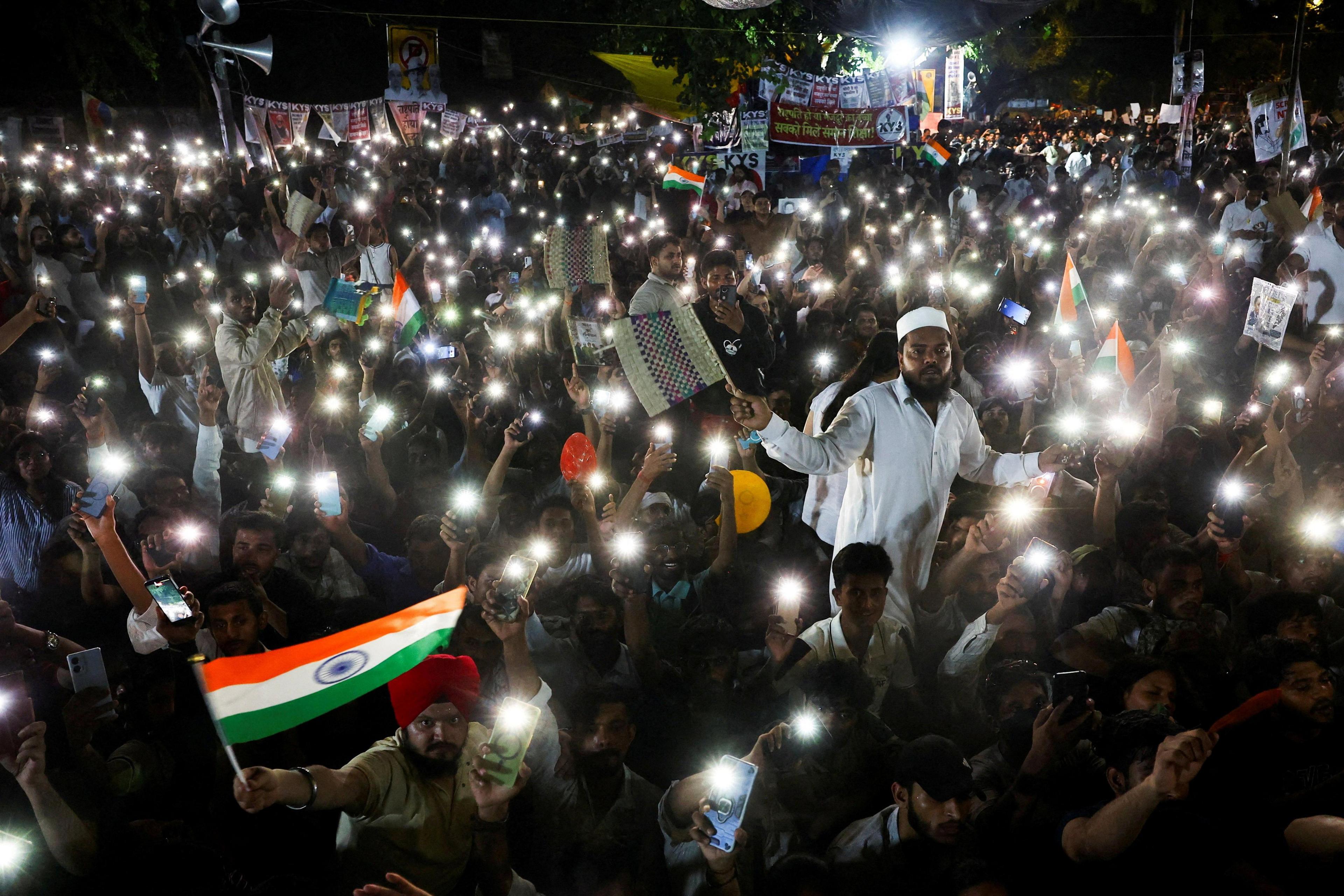
Indian education activist Sonam Wangchuk, who was on a 26‑day hunger strike in Delhi, claims that the wave of youth protests has significantly weakened Prime Minister Narendra Modi’s political hold.
The demonstrations began after exam papers were leaked, leading to widespread anger among students. The protests grew into a national movement, co‑named the ‘Cockroach Janta Party’ after a Chief Justice’s comparative remark, and ultimately forced the resignation of Education Minister Dharmendra Pradhan a day after Wangchuk completed his fast.
Wangchuk says the movement has given young people confidence to challenge the status quo. He notes that if the government fails to heed the protests, further unrest may target issues beyond education.
The protest has already impacted the ruling BJP: it lost two of three by‑elections, including a long‑held seat in Bihar. Wangchuk believes that these events illustrate the tangible effect of youth mobilisation.
He maintains optimism about the future, citing fast‑track courts to address exam‑paper leaks and the appointment of a tech billionaire to spearhead systemic reforms. Meanwhile, many protesters face ongoing legal and social scrutiny, despite Supreme Court directives against coercive action.
Wangchuk’s hunger strike and advocacy reflect a broader call for educational reforms that align with India's evolving job market, arguing for a shift toward practical skills and local engagement.
The activist, who has campaigned in Ladakh for self‑rule, says he would prefer to enable others to lead political change rather than pursue office himself. He views his fast as a non‑violent tool to influence government priorities, drawing inspiration from Gandhi.