In brief
A recent assessment indicates that Gaza's 2.1 million inhabitants are on the brink of famine, exacerbated by a continuous Israeli blockade limiting humanitarian aid access.
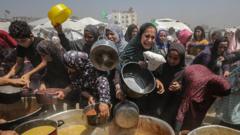
In its latest findings, the Integrated Food Security Phase Classification (IPC) has declared that the entire population of Gaza is under significant threat of famine due to severe food insecurity levels. The report underscores a worrying decline since the temporary ceasefire in October that momentarily alleviated some tensions. Renewed military actions and the blockade have drastically reversed any advancements made in humanitarian conditions.Currently, approximately 244,000 individuals are facing "catastrophic" food insecurity, prompting calls for immediate action to avert a deepening crisis. Since mid-March, Israel has reinstated its military operations, blocking essential food, medical supplies, and humanitarian support from entering Gaza, asserting that this pressure is crucial until the release of remaining hostages by Hamas. This blockade, described by international observers as potentially nearing war crime status, has drawn significant backlash from the UN, which claims it has humanitarian supplies ready for distribution at border points.The IPC’s report highlights a grim situation—over half a million people, around one in five residents, are battling severe starvation risk. Among them, almost 71,000 children under five years old are forecast to suffer from acute malnutrition in the coming months. This predicament has forced families to resort to desperate measures, including scavenging trash for food or begging.In revealing the harsh realities on the ground, the IPC notes that 93% of Gaza's population, approximately 1.95 million people, endure varying degrees of acute food insecurity. While Israeli officials dismiss allegations of a hunger crisis, citing the amounts of aid received during the truce, the situation continues to deteriorate.In a complex turn of events, Hamas has announced plans to release an Israeli-American hostage, part of efforts to secure a ceasefire and enhance humanitarian assistance to Gaza. Yet, Israeli authorities remain non-committal about a ceasefire, emphasizing only the establishment of a "safe corridor" for the hostage's return.US President Donald Trump is scheduled to visit the region as tensions escalate, with Israel signaling its intent to intensify military actions against Hamas if a resolution is not reached promptly. Israeli strategies appear to involve maintaining control over territories indefinitely while orchestrating aid distributions through private sectors, a move criticized by the UN as it risks weaponizing humanitarian assistance and potentially leaving vulnerable populations without the support they desperately require.The current humanitarian crisis stems from the Israel-Hamas conflict ignited by attacks on October 7, 2023, resulting in substantial casualties, with Gaza suffering severe losses from the ongoing military campaign.As the blockade continues and living conditions worsen, the plight of Gaza's citizens remains a significant focus for international humanitarian efforts.