In brief
In a provocative interview, Witkoff challenged Starmer’s notion of an international force for Ukraine, arguing it misrepresents historical realities and the current dynamics of the conflict.
Steve Witkoff, the special envoy for Donald Trump, recently dismissed UK Labour leader Keir Starmer’s vision for establishing an international coalition to facilitate a ceasefire in Ukraine, classifying it merely as "posture and pose." In an interview with Tucker Carlson, Witkoff criticized the notion that countries should emulate World War II Prime Minister Winston Churchill in their approach to the current crisis.
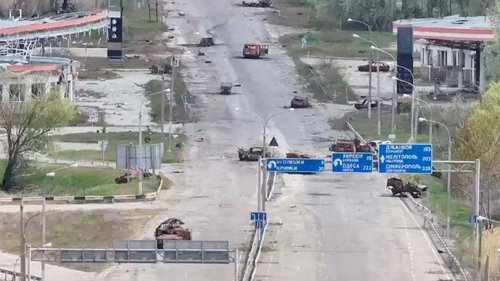
Meeting with military leaders in the UK, Starmer proposed a coalition of nations willing to support efforts for peace in Ukraine amidst ongoing hostilities. However, Witkoff described the idea as fundamentally flawed and oversimplified, asserting that fears of a Russian military incursion into Europe are exaggerated in light of NATO's presence.During the interview, Witkoff also expressed admiration for Russian President Vladimir Putin, claiming that he finds him "super smart" and suggested a commonality of interests between the US and Russia post-conflict. He relayed that Putin had shown personal kindness towards Trump, even commissioning a portrait as a gesture of goodwill.Despite leading US negotiations with both Russia and Ukraine, Witkoff's grasp of the geopolitical landscape appeared shaky, particularly regarding occupied Ukrainian regions. His reference to the annexed territories as “regions” instead of specifying their names raised eyebrows among observers keen on the intricacies of the conflict. Additionally, Witkoff made contentious claims regarding the legitimacy of referendums held in occupied Ukrainian territories, which have been widely condemned by the international community as flawed. His statements reflect a narrative often pushed by the Kremlin, especially concerning Ukraine’s sovereignty and identity, and he questioned when the world might recognize these regions as part of Russia. Witkoff underscored that the conflict's roots lie in historical claims and constitutional issues within Ukraine, framing Russia's presence in the territories as essentially justified in the context of their historical claims since World War II. He also suggested that the cessation of fighting, particularly in the Black Sea, might be imminent, while proposing collaborative efforts between the US and Russia that align interests in areas such as energy and technological advancements. Witkoff’s comments provoke further debate about the implications of US foreign policy and the future of Russian-American relations, especially in light of ongoing tensions in Eastern Europe.