In brief
Official figures indicate that Chinese families now support a higher percentage of elderly people (23%) than children (22%). With over 223 million people aged 65+, the ageing trend threatens long‑term care systems, but also opens a growing "silver" market. The shift is partly a legacy of the one‑child policy and rising life expectancy, while birth rates remain near historic lows. Beijing’s five‑year plan includes increased pension subsidies and incentives for families, yet the demographic squeeze may curb China’s growth and consumer spending.
China’s latest census data reveal that families are now supporting more elderly people than children for the first time.
Official statistics released last week show that the dependent elderly (those aged 65 and older) account for 23% of the working‑age population, surpassing the 22% share represented by children under 14 years.
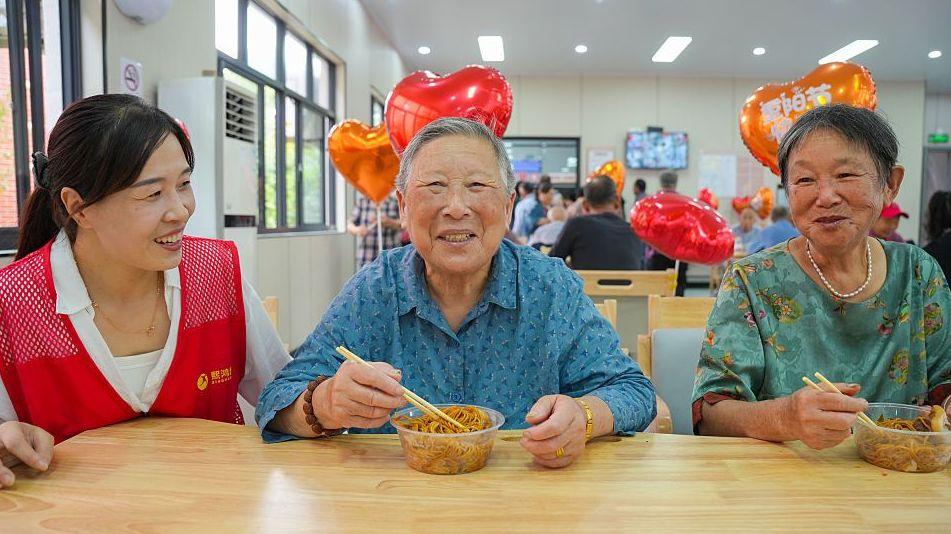
This demographic shift is a red flag for the nation’s future, as a growing share of the population will need health care, pensions and long‑term care services. Analysts warn that it could strain public finances and dampen consumer spending as families shift resources from children to ageing relatives.
The trend is largely the legacy of the one‑child policy that ran from 1980 to 2015, combined with China’s rapid urbanisation and a sharp rise in life expectancy. Although the government has relaxed fertility restrictions, birth rates remain at historic lows, and many couples cite cost of living and career pressures as reasons against larger families.
In response, Beijing has included higher pension allowances in its latest five‑year plan. By 2025, more than 53 million elderly people received senior citizen subsidies, and the state is also exploring new healthcare subsidies and age‑friendly infrastructure.
While the ageing population poses challenges, experts point to the "silver economy"—market opportunities in products and services for older consumers. Nonetheless, the demographic squeeze could temper China’s economic expansion and affect its standing as a global economic powerhouse.