In brief
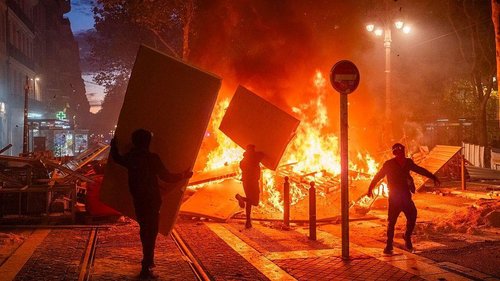
In March 2025, a violent outbreak in northwestern Syria underscored the new government's weak control over military forces. The violence, primarily targeting Alawite civilians, illustrated the ongoing sectarian divisions and the challenges faced in consolidating a unified national army.
A recent wave of violence in Syria has laid bare the challenges faced by the new government in its quest to unify the multiple armed groups that emerged during the civil war. Experts have pointed out that the fresh unrest highlights the government's inadequate control over its own security forces and affiliated militias. The violence erupted in northwestern Syria, resulting in the deaths of hundreds of civilians and revealing the significant challenges that lie ahead for the new regime.On March 6, insurgents associated with the recently ousted regime initiated attacks against government forces in several regions, particularly within the coastal provinces of Tartus and Latakia, predominantly home to the Alawite minority. The government's response was swift, involving mobilization of its security forces and a diverse array of allied groups and armed civilians. Witnesses and analysts reported that while the main aim was to counter the uprising, the repercussions were brutal and sectarian in nature.Reports indicated that various armed fighters, some directly under the government's command while others were independent, swept through these provinces attacking suspected insurgents. However, the violence did not discriminate; alongside targeted attacks against insurgents, there were egregious acts of violence against Alawite civilians, including shelling of residential areas, looting, and killings driven by sectarian animosities.The composition of the new government's military leadership—predominantly Sunni—has exacerbated tensions, as many Sunni groups associate the Alawite minority with the oppressive legacy of the Assad regime, which had favored Alawites in many key positions within the military and security apparatus. This historical context has led to increased animosity and complicates efforts to create an inclusive and unified national military capable of stabilizing the region.As the bloodshed continues, the ability of the new Syrian leadership to restore order and unify various armed factions remains highly questionable, posing significant challenges for its future governance and the prospective peace in a nation still reeling from the effects of war.