In brief
The Pope's condition raises concerns among health experts, especially as the mortality rate for pneumonia increases in older patients.
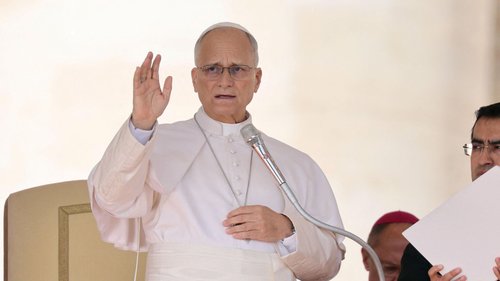
In a concerning health update, Pope Francis has been diagnosed with bilateral pneumonia, the Vatican announced on Tuesday. This condition indicates that both of his lungs are affected by pneumonia, marking a potentially serious health challenge, particularly for someone of his advanced age of 88. Dr. James Musser, the director of infectious diseases at the Houston Methodist Research Institute, explained that pneumonia involves the infection of the small airways in the lungs, filling them with immune cells as the body reacts to the infection. Symptoms typically include fever, cough, and chills.The diagnosis process may involve the patient vocalizing a long “e,” which helps healthcare professionals identify abnormalities through a stethoscope. Although many individuals manage to recover from pneumonia at home, older adults face a higher risk, with increased mortality rates for those over the age of 85, according to infectious disease specialists. Predominantly, pneumonia in adults is often caused by the bacterium Streptococcus pneumoniae, which Dr. Peter Chin-Hong asserts is the primary culprit. While antibiotics can effectively treat bacterial pneumonia, complications may arise if bacteria spread to other parts of the body, leading to severe conditions such as sepsis. Vaccination can reduce sepsis risks but does not eliminate the possibility of developing pneumonia. Notably, while Streptococcus pneumoniae can infect both lungs, most cases generally affect a single lobe of one lung. Dr. Pottinger further highlighted that various viruses, including influenza, and bacteria such as Legionella and mycoplasma can also lead to bilateral pneumonia. Given the various factors at play and the pope's age, the situation is regarded as "very scary" by medical professionals, leading to heightened concern within global communities as they await further updates on his health status.